AI
Build Your Own AI Assistant — The Minimal OpenClaw Ecosystem
A snapshot of the ultra‑lightweight, open‑source AI assistant frameworks inspired by OpenClaw—and why ownership beats vendor roadmaps.
🤔 Curiosity: The Question
I keep asking the same thing every time I prototype a new agent: why does personal AI feel so heavy? OpenClaw is powerful, but for many workflows I want something smaller, faster, cheaper—something I can actually ship and control end‑to‑end.
The recent wave of ultra‑lightweight OpenClaw‑inspired frameworks is the first real answer I’ve seen. Different languages, different hardware, different tradeoffs—yet all aiming at the same target: ownership.
📚 Retrieve: The Knowledge
What’s emerging in the ecosystem
Here’s the minimal‑agent lineup (all pulled from the linked repos). I’m attaching all 7 images explicitly so they render correctly:
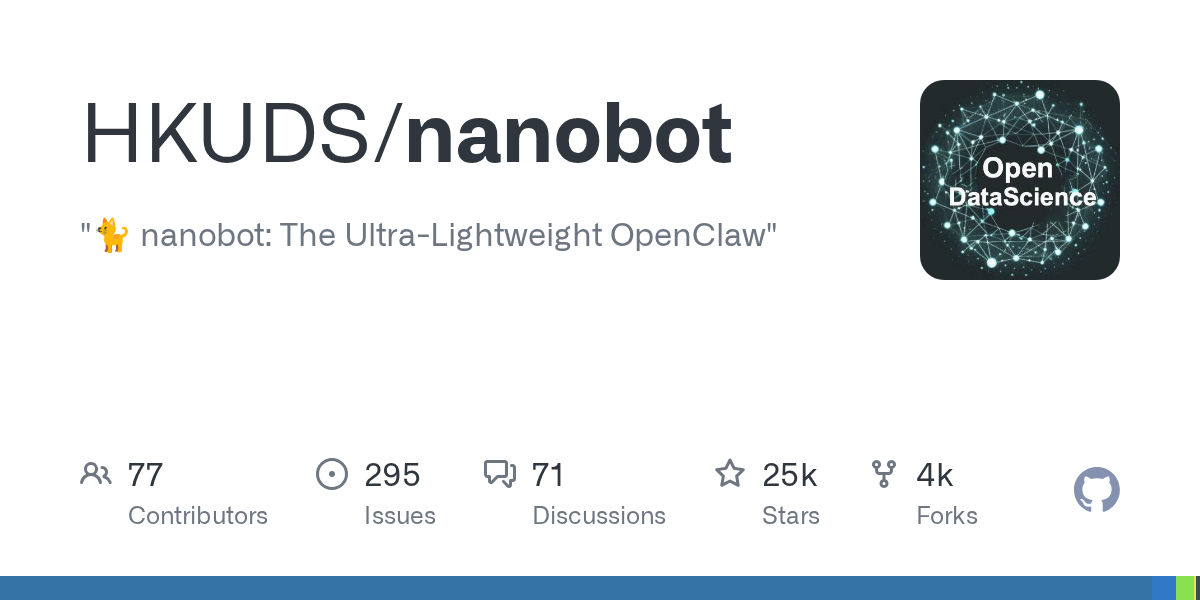
NanoBot (Python)
- Repo: https://github.com/HKUDS/nanobot
- Core agent functionality in ~4,000 LOC.
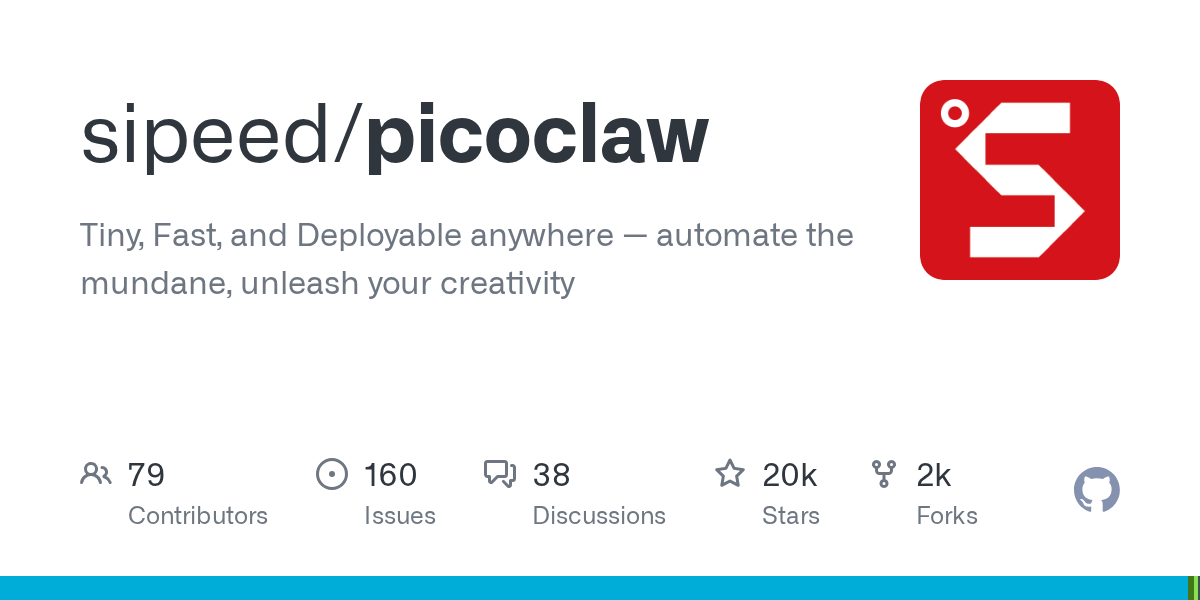
PicoClaw (Go)
- Repo: https://github.com/sipeed/picoclaw
- Ultra‑efficient, runs on tiny hardware.
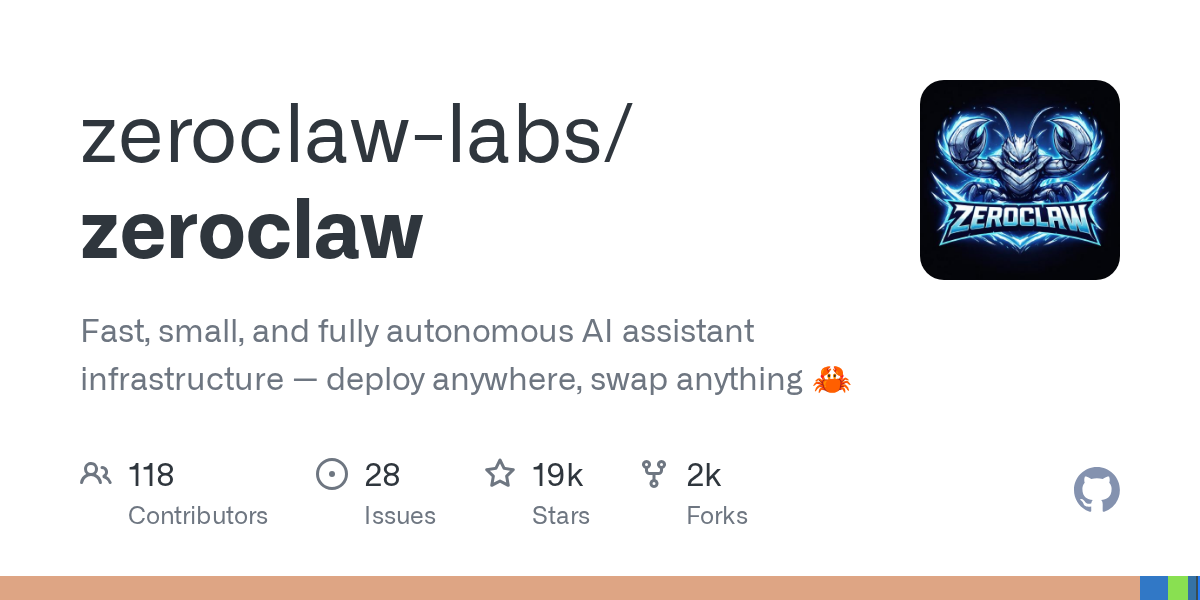
ZeroClaw (Rust)
- Repo: https://github.com/zeroclaw-labs/zeroclaw
- Fast startup, zero‑overhead design.
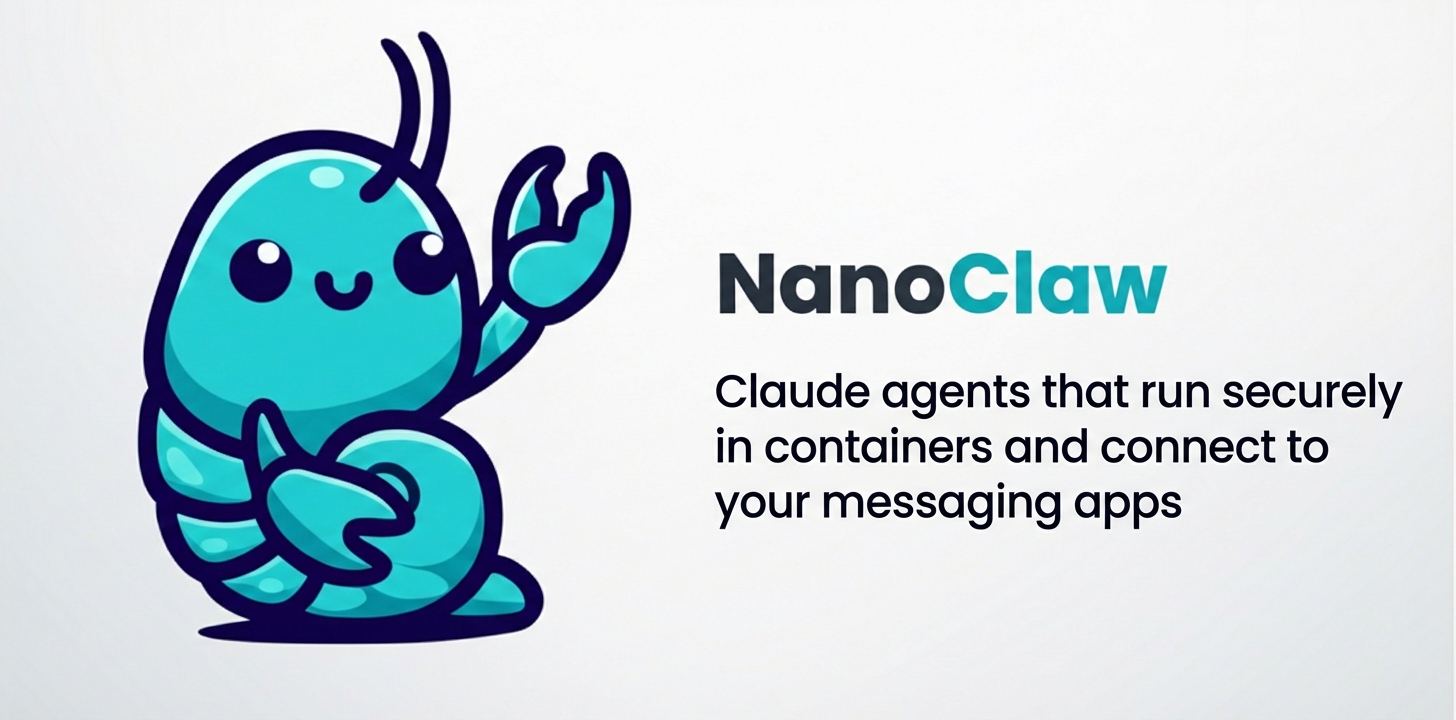
NanoClaw (Claude Agents SDK + Containers)
- Repo: https://github.com/qwibitai/nanoclaw
- Container‑ready for personal workflows.
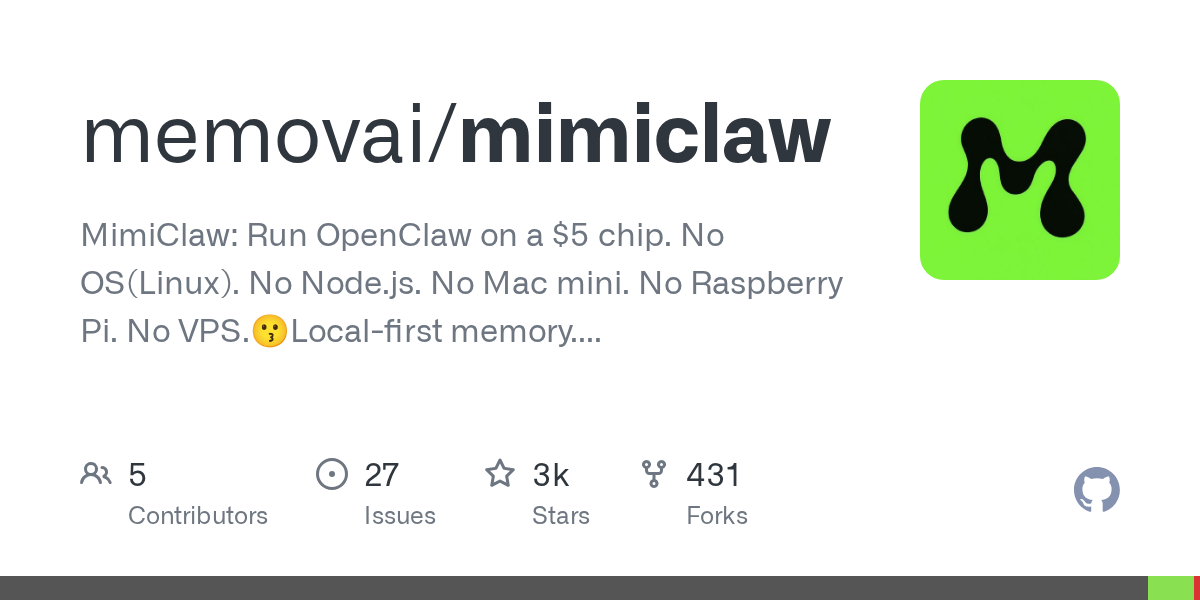
MimiClaw (C / ESP32‑S3)
- Repo: https://github.com/memovai/mimiclaw
- Runs on a $5 chip. No OS. No Node.
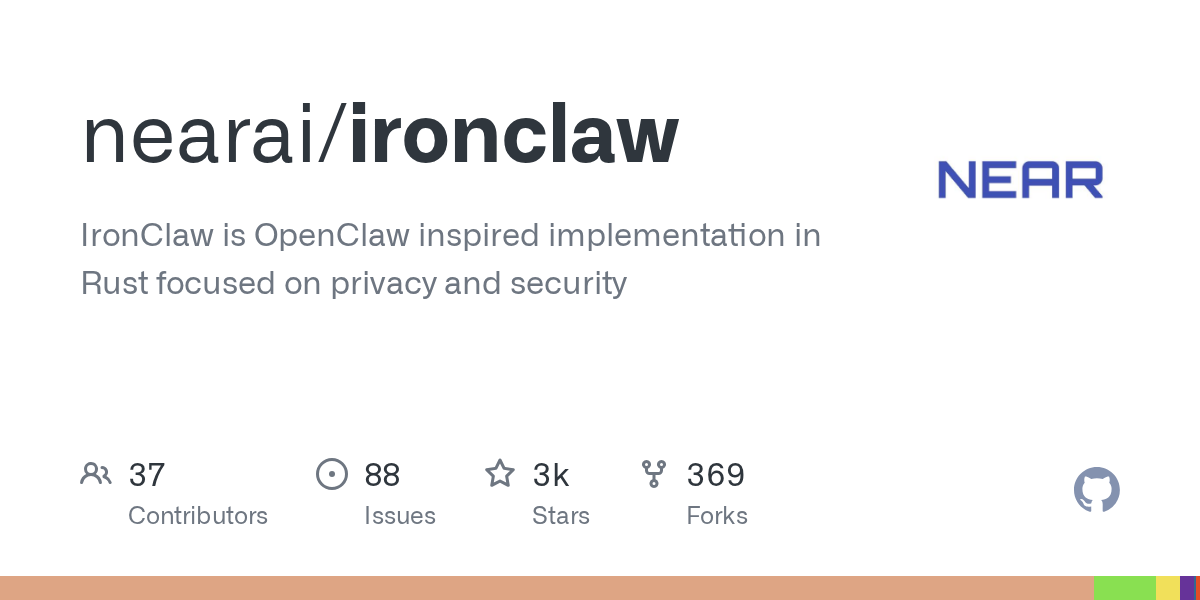
IronClaw (Rust, privacy‑first)
- Repo: https://github.com/nearai/ironclaw
- Encrypted local storage + sandboxing focus.
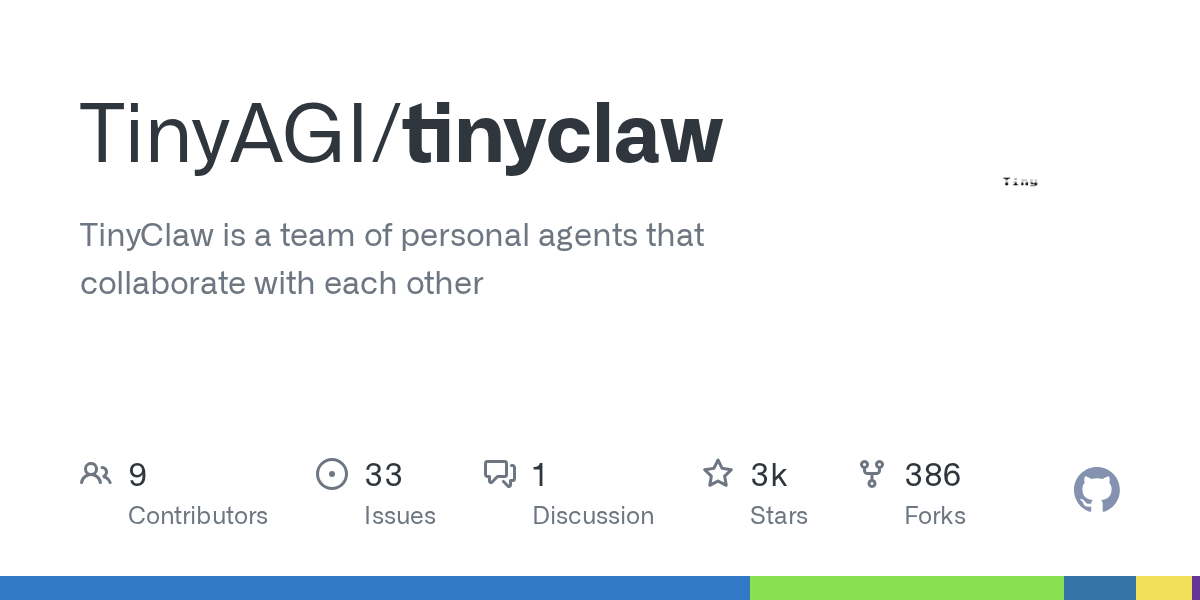
TinyClaw (Multi‑Agent Teams)
- Repo: https://github.com/TinyAGI/tinyclaw
- File‑queue multi‑agent teams on tiny infra.
Quick Comparison
| Project | Language | Goal | Signature Trait |
|---|---|---|---|
| NanoBot | Python | Minimal core agent | ~4K LOC, research‑friendly |
| PicoClaw | Go | Tiny hardware | Ultra‑low memory |
| ZeroClaw | Rust | Speed | ~10ms startup |
| NanoClaw | Containers | Personal workflows | Forkable + secure |
| MimiClaw | C / ESP32‑S3 | Embedded | No OS / No Node |
| IronClaw | Rust | Privacy‑first | Encrypted storage |
| TinyClaw | Multi‑agent | Teams | File‑based queue |
Minimal agent architecture (shared pattern)
graph LR
  A[Inputs / Triggers] --> B[Lightweight Router]
  B --> C[Small Toolset]
  C --> D[Local State]
  D --> E[Action]

  style B fill:#ff6b6b,stroke:#c92a2a,color:#fff
  style C fill:#4ecdc4,stroke:#0a9396,color:#fff
  style D fill:#ffe66d,stroke:#f4a261,color:#000
Minimal example (concept‑level)
1
2
3
4
5
6
7
8
# Tiny agent loop: enough for personal workflows
state = {}

def handle(input_text):
    intent = route(input_text)
    result = tools[intent](input_text, state)
    state['last'] = result
    return result
💡 Innovation: The Insight
Why this matters for AI × Games
In production, it’s not just about model quality—it’s about control. When your tools are small, you can:
- deploy on your own hardware
- tune latency for live‑ops workflows
- ship private assistants without vendor lock‑in
- audit behavior with simple, readable codebases
That’s a big deal when you’re shipping AI systems inside game pipelines.
What I’d build first
1) NanoBot as a research prototype
2) PicoClaw / MimiClaw for embedded controllers
3) IronClaw for anything privacy‑sensitive
New Questions This Raises
- Can we standardize a minimal agent spec across languages?
- What’s the smallest useful “production‑grade” agent size?
- How do we benchmark ownership cost vs vendor convenience?
References
- NanoBot (Python) — https://github.com/HKUDS/nanobot
- PicoClaw (Go) — https://github.com/sipeed/picoclaw
- ZeroClaw (Rust) — https://github.com/zeroclaw-labs/zeroclaw
- NanoClaw (Claude SDK + Containers) — https://github.com/qwibitai/nanoclaw
- MimiClaw (C / ESP32‑S3) — https://github.com/memovai/mimiclaw
- IronClaw (Rust, Privacy) — https://github.com/nearai/ironclaw
- TinyClaw (Multi‑Agent Teams) — https://github.com/TinyAGI/tinyclaw