Data Science/Algorithms
📊 Key Data Terms to Know in 2024, A Quick Guide
𝗗𝗮𝘁𝗮 𝗠𝗶𝗻𝗶𝗻𝗴: Discovering hidden patterns in large datasets using statistical and ML methods.
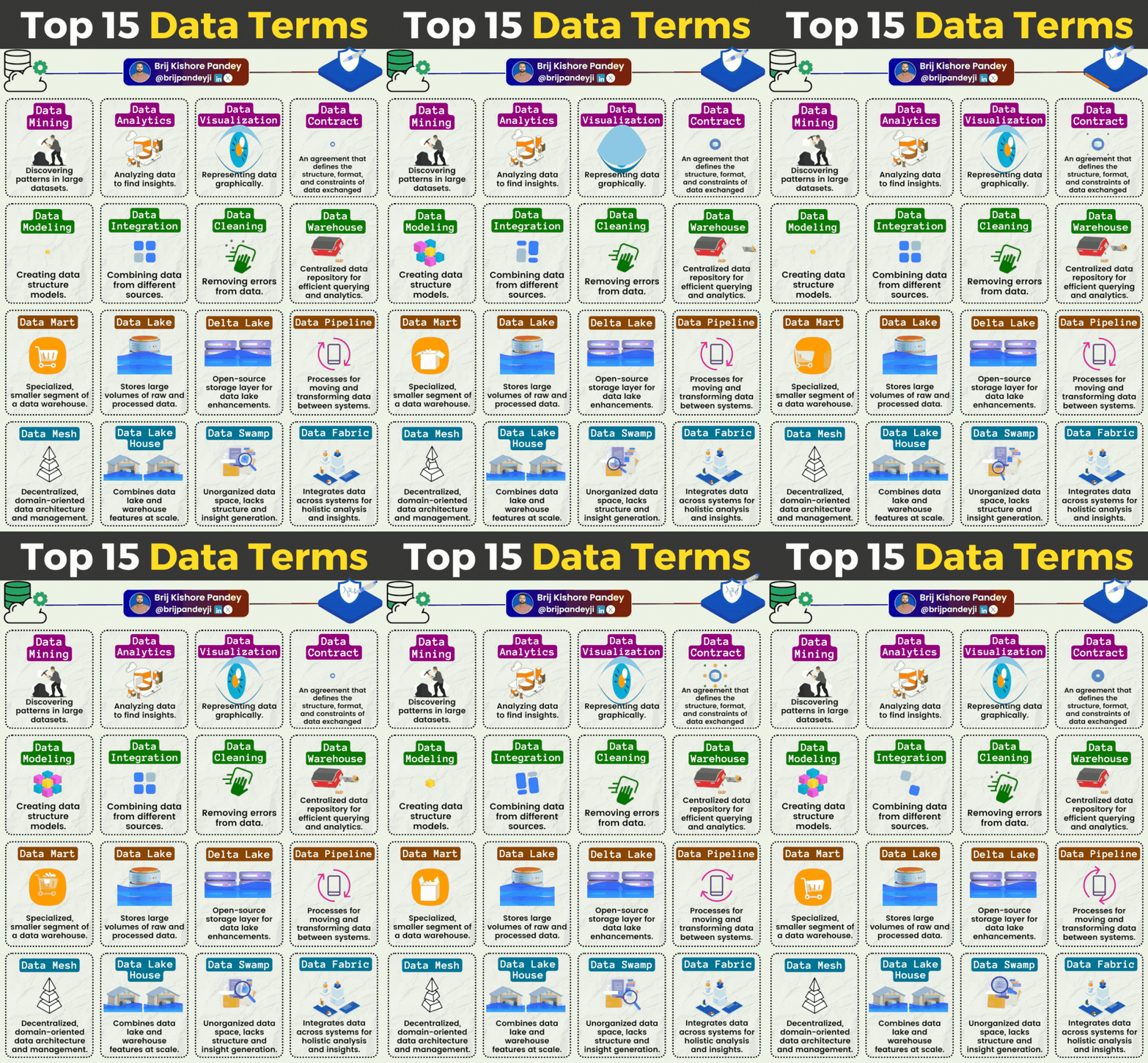
As data continues to shape our digital world, understanding key concepts is crucial. Here’s a concise overview of essential data terms for 2024:
𝗗𝗮𝘁𝗮 𝗠𝗶𝗻𝗶𝗻𝗴: Discovering hidden patterns in large datasets using statistical and ML methods.
𝗗𝗮𝘁𝗮 𝗔𝗻𝗮𝗹𝘆𝘁𝗶𝗰𝘀: Examining raw data to draw conclusions and support decision-making.
𝗗𝗮𝘁𝗮 𝗩𝗶𝘀𝘂𝗮𝗹𝗶𝘇𝗮𝘁𝗶𝗼𝗻: Translating complex data into visual representations for easier understanding.
𝗗𝗮𝘁𝗮 𝗖𝗼𝗻𝘁𝗿𝗮𝗰𝘁: Formal agreement defining data exchange parameters between parties.
𝗗𝗮𝘁𝗮 𝗠𝗼𝗱𝗲𝗹𝗶𝗻𝗴: Creating conceptual representations of data structures and relationships.
𝗗𝗮𝘁𝗮 𝗜𝗻𝘁𝗲𝗴𝗿𝗮𝘁𝗶𝗼𝗻: Combining data from various sources into a unified view.
𝗗𝗮𝘁𝗮 𝗖𝗹𝗲𝗮𝗻𝗶𝗻𝗴: Correcting inaccurate or irrelevant data to improve quality.
𝗗𝗮𝘁𝗮 𝗪𝗮𝗿𝗲𝗵𝗼𝘂𝘀𝗲: Centralized repository for structured data from multiple sources.
𝗗𝗮𝘁𝗮 𝗠𝗮𝗿𝘁: Subset of a data warehouse focused on specific business functions.
𝗗𝗮𝘁𝗮 𝗟𝗮𝗸𝗲: Storage for vast amounts of raw, unstructured data in native format.
𝗗𝗲𝗹𝘁𝗮 𝗟𝗮𝗸𝗲: Open-source storage layer improving reliability and performance of data lakes.
𝗗𝗮𝘁𝗮 𝗣𝗶𝗽𝗲𝗹𝗶𝗻𝗲: Processes for moving and transforming data from source to destination.
𝗗𝗮𝘁𝗮 𝗠𝗲𝘀𝗵: Decentralized approach treating data as a product with domain-specific ownership.
𝗗𝗮𝘁𝗮 𝗟𝗮𝗸𝗲 𝗛𝗼𝘂𝘀𝗲: Hybrid architecture combining flexibility of lakes with warehouse structure.
𝗗𝗮𝘁𝗮 𝗦𝘄𝗮𝗺𝗽: Unmanaged, chaotic data environment lacking proper organization.
𝗗𝗮𝘁𝗮 𝗙𝗮𝗯𝗿𝗶𝗰: Architecture creating a unified view of an organization’s data assets.