Infrastructure/System
Microservices are a popular architectural style for building applications
Curiosity: How can we build scalable, maintainable applications? What makes microservices architecture effective for modern systems?
Microservices: Popular Architectural Style for Modern Applications
Curiosity: How can we build scalable, maintainable applications? What makes microservices architecture effective for modern systems?
Microservices are a popular architectural style for building applications as a collection of small, independent services. Each service is responsible for a specific business function and communicates with other services through APIs.
Benefits: This approach improves scalability, maintainability, and resilience of applications.
Microservices Architecture
Retrieve: Understanding the architecture.
graph TB
    A[Client] --> B[API Gateway]
    B --> C[Service 1]
    B --> D[Service 2]
    B --> E[Service 3]

    C --> F[Database 1]
    D --> G[Database 2]
    E --> H[Database 3]

    C --> I[Message Broker]
    D --> I
    E --> I

    J[Monitoring] --> C
    J --> D
    J --> E

    K[Container Orchestration] --> C
    K --> D
    K --> E

    style A fill:#e1f5ff
    style B fill:#fff3cd
    style I fill:#d1ecf1
    style K fill:#d4edda
Architecture Components
Innovate: Key components overview.
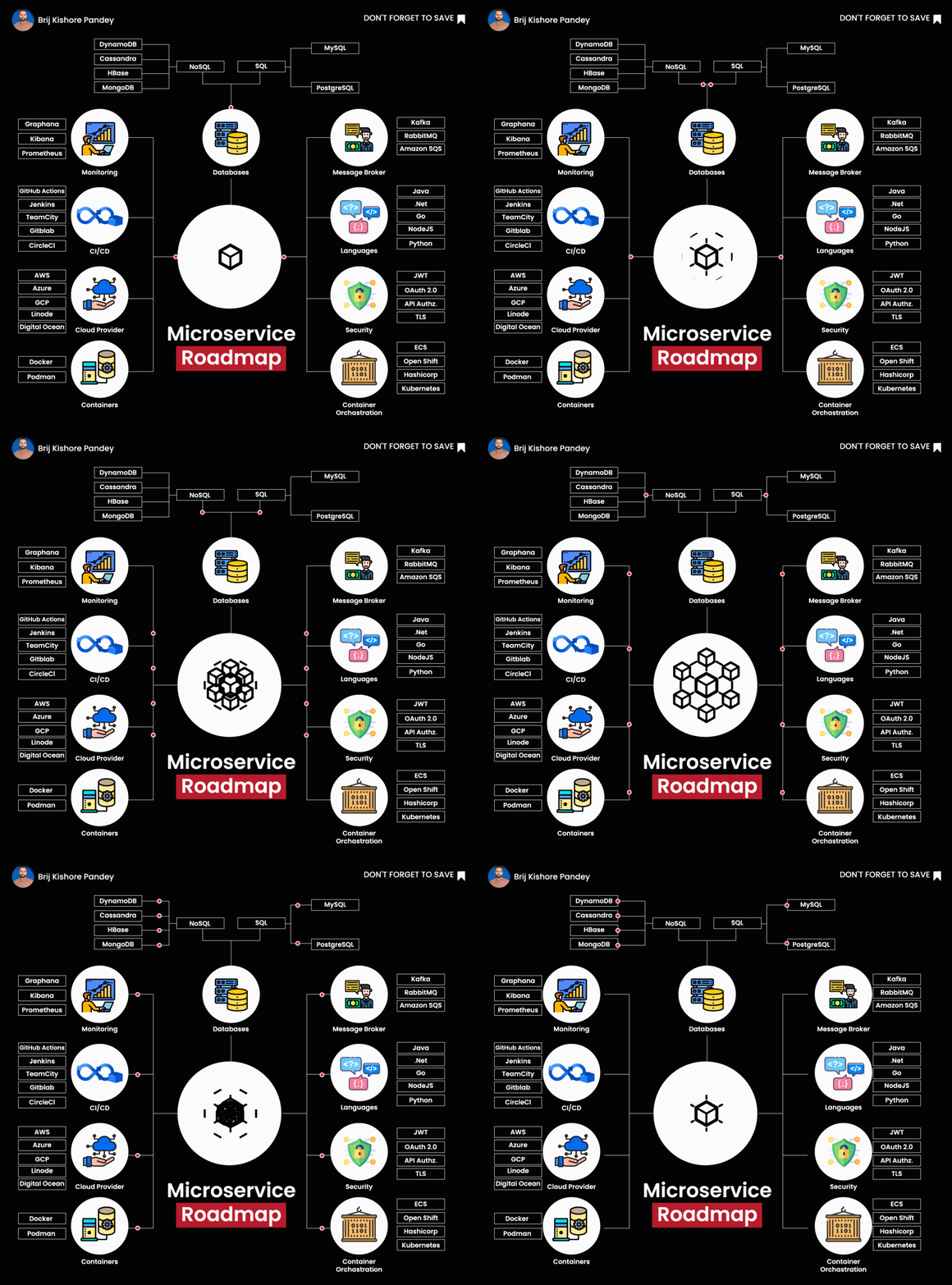
| Component | Options | Purpose |
|---|---|---|
| Databases | SQL (MySQL, PostgreSQL), NoSQL (DynamoDB, Cassandra) | ⬆️ Data persistence |
| Monitoring | Prometheus, Grafana, Kibana | ⬆️ Health & performance |
| Message Brokers | Kafka, RabbitMQ, Amazon SQS | ⬆️ Async communication |
| CI/CD | Jenkins, GitLab Actions, CircleCI | ⬆️ Automation |
| Languages | Java, Node.js, Python, Go | ⬆️ Development |
| Cloud Providers | AWS, Azure, GCP | ⬆️ Deployment |
| Security | API authorization, TLS encryption | ⬆️ Protection |
| Orchestration | Kubernetes, Docker Swarm, OpenShift | ⬆️ Container management |
Detailed Components
Retrieve: Understanding each component.
1. Databases:
- SQL: MySQL, PostgreSQL
- NoSQL: DynamoDB, Cassandra
- Selection: Depends on application needs
2. Monitoring:
- Tools: Prometheus, Grafana, Kibana
- Purpose: Monitor health and performance
3. Message Brokers:
- Tools: Kafka, RabbitMQ, Amazon SQS
- Purpose: Asynchronous messaging between services
4. CI/CD:
- Tools: Jenkins, GitLab Actions, CircleCI
- Purpose: Automate build, test, and deployment
5. Languages:
- Options: Java, Node.js, Python, Go
- Flexibility: Choose based on service needs
6. Cloud Providers:
- Options: AWS, Azure, GCP
- Purpose: Scalable deployment platforms
7. Security:
- Considerations: API authorization, TLS encryption
- Importance: Critical for microservices architecture
8. Container Orchestration:
- Tools: Kubernetes, Docker Swarm, OpenShift
- Purpose: Manage deployment and scaling
Key Benefits
Innovate: Why microservices matter.
Advantages:
- ✅ Scalability: Scale services independently
- ✅ Maintainability: Easier to maintain small services
- ✅ Resilience: Failure isolation
- ✅ Technology Diversity: Use best tool for each service
- ✅ Team Autonomy: Independent development
Key Takeaways
Retrieve: Microservices architecture uses small, independent services communicating via APIs, with components including databases, monitoring, message brokers, CI/CD, languages, cloud providers, security, and orchestration.
Innovate: By implementing microservices with proper components (databases, monitoring, message brokers, CI/CD, orchestration), you can build scalable, maintainable, and resilient applications that can evolve independently.
Curiosity → Retrieve → Innovation: Start with curiosity about scalable architectures, retrieve insights from microservices components, and innovate by building applications that can scale and evolve independently.
Next Steps:
- Design service boundaries
- Choose appropriate components
- Implement communication patterns
- Set up monitoring and CI/CD
I hope this infographic is helpful!