Agent/Orchestration
Agents Need Their ONNX Moment — Plano Is That Layer
Plano separates the agent inner loop (logic) from the outer loop (routing, guardrails, observability). Here’s why that infra shift matters for production‑grade agents.
🤔 Curiosity: Are agents stuck at the “pre‑ONNX” stage?
Every platform goes through the same arc. First, we learn how to build. Then the constraint flips to operate. With neural networks, PyTorch/TensorFlow solved building, but deploying models across runtimes was messy—until ONNX standardized the “outer loop.”
Agents are at the same inflection point. Frameworks like LangGraph, CrewAI, and LlamaIndex make it easy to build. But operating agents in production is still the hard part:
- Which agent should handle this request?
- How do we enforce guardrails consistently?
- How do we swap models without refactoring everything?
- How do we connect observability to continuous improvement?
That’s not “agent logic.” That’s infrastructure.
📚 Retrieve: What Plano actually is
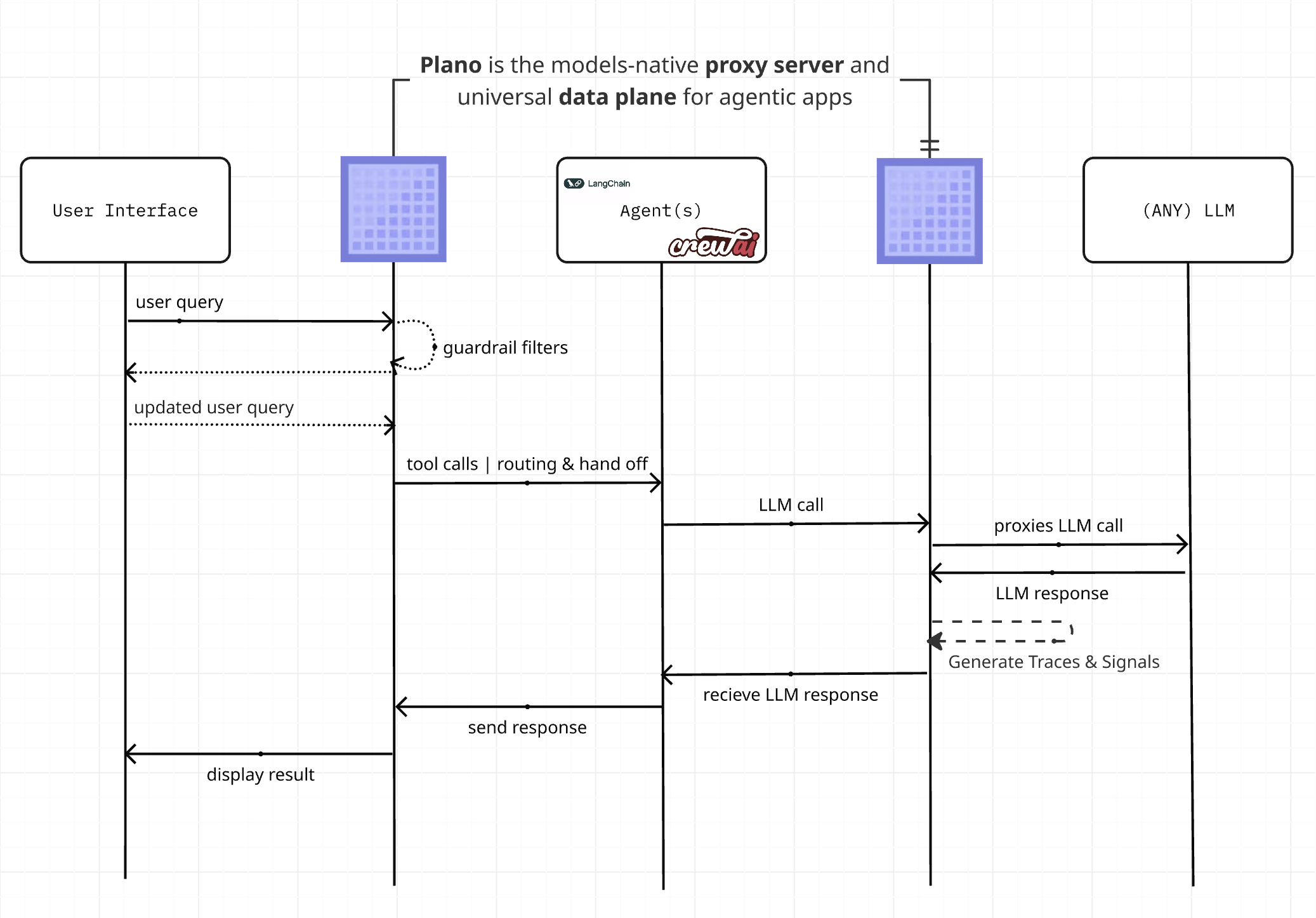
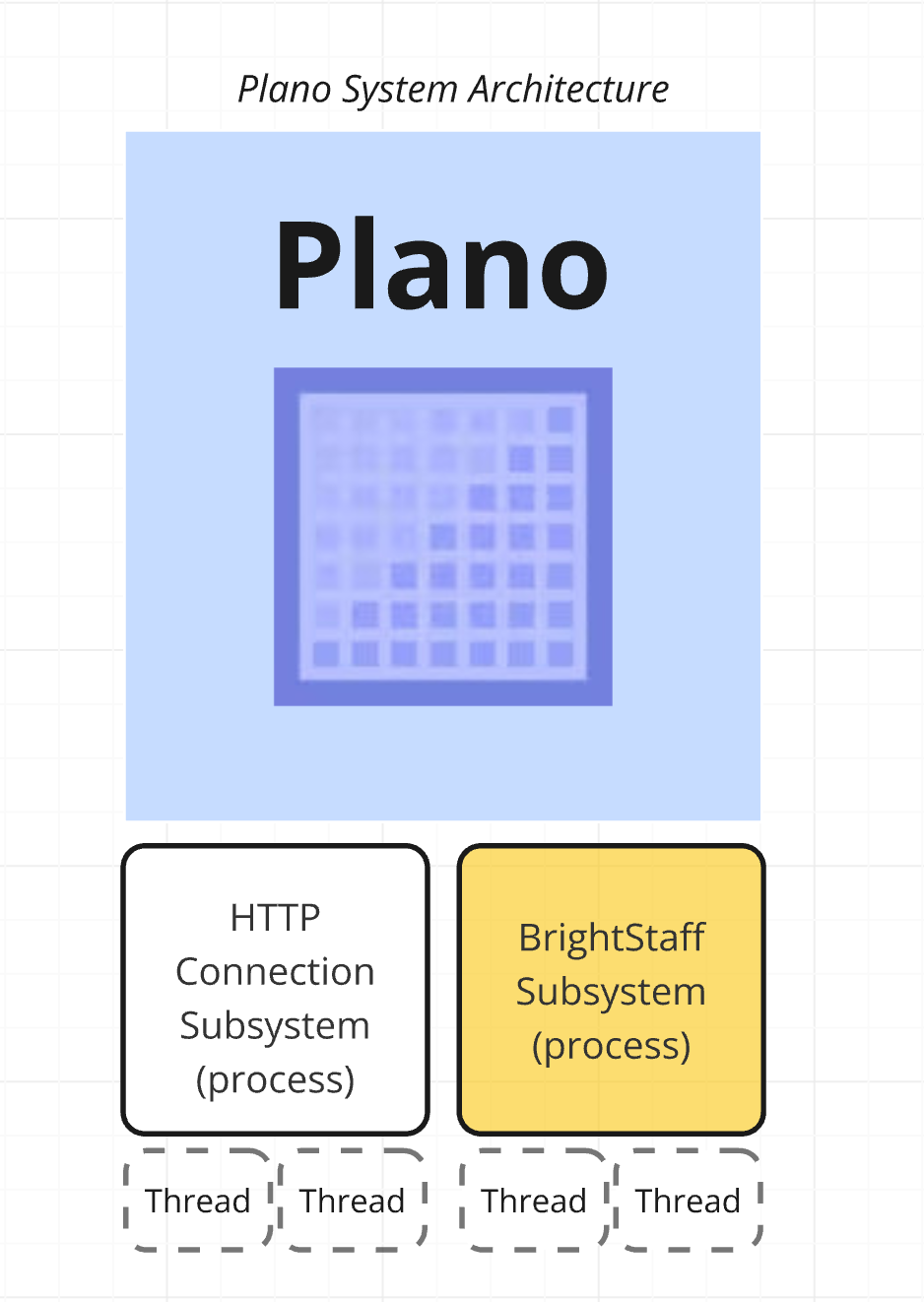
Plano is an AI‑native proxy server + data plane for agentic apps. It pulls out the outer‑loop plumbing—routing, orchestration, guardrails, and observability—so your application code stays clean and framework‑agnostic.
From the repo, the promise is explicit:
- Orchestration between agents without touching app code
- Model agility via routing by model name, alias, or preferences
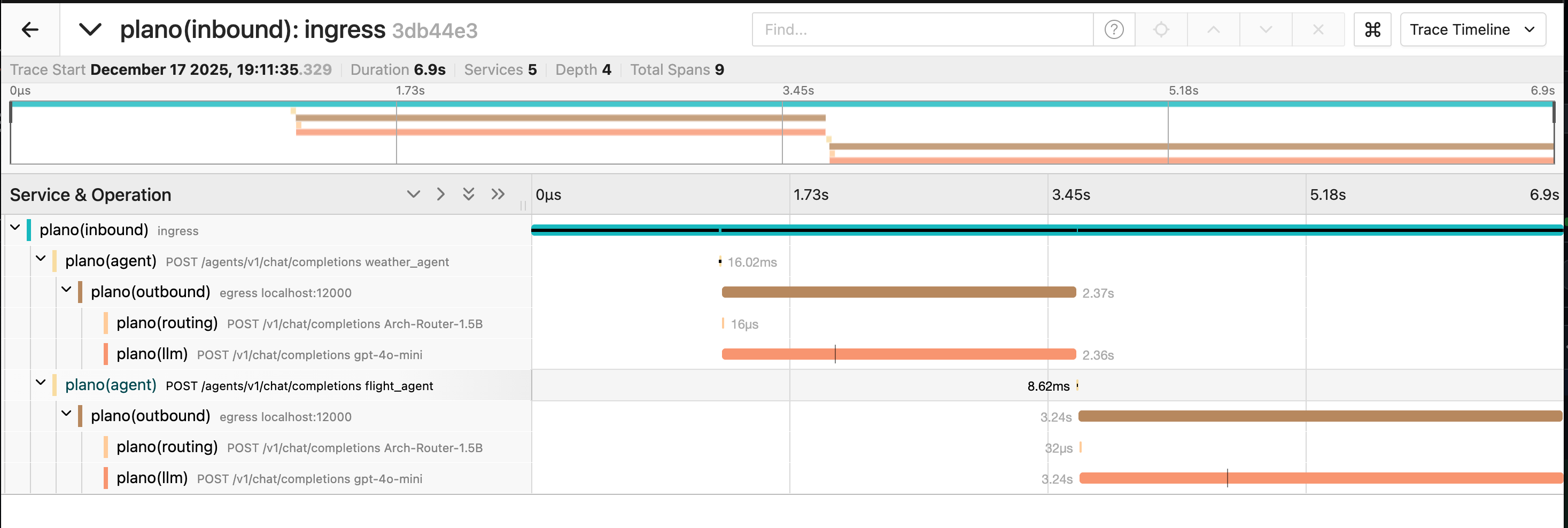
- Signals + tracing with zero‑code instrumentation (OTEL)
- Filter Chains for guardrails and moderation
📚 Retrieve: Inner loop vs. outer loop (why this matters)
Here’s a clean mental model:
flowchart LR
  A[Inner Loop: Agent Logic] -->|prompts, tools, reasoning| B[Agent Runtime]
  C[Outer Loop: Infra] -->|routing, guardrails, observability| B
  D[App] --> B
Most frameworks blur this boundary. Plano separates it.
Example: declarative routing in config
1
2
3
4
5
6
7
8
9
model_providers:
  - model: openai/gpt-4o
    access_key: $OPENAI_API_KEY
    default: true

routing_preferences:
  - name: complex_reasoning
    description: deep analysis & reasoning
    model: deepseek/deepseek-coder
Swapping models becomes config changes, not refactors.
💡 Innovation: Why this is ONNX‑like for agents
ONNX didn’t replace PyTorch or TensorFlow. It made them portable. Plano is doing the same for agents:
| Layer | Before | With Plano | Impact |
|---|---|---|---|
| Routing | Hard‑coded in app | Config‑driven | Safer rollouts |
| Guardrails | Per‑agent hacks | Filter Chains | Consistent safety |
| Observability | DIY OTEL | Built‑in Signals | Faster debugging |
| Model swaps | Refactor risk | Config‑only | More agility |
That means you can:
- keep agent business logic stable
- evolve infra separately
- standardize ops across frameworks
💡 Innovation: How I’d use Plano in production
1) Game live‑ops routing — prompt‑driven router decides which agent handles support, balancing, or fraud. 2) Guardrail standardization — one filter chain for all agents, no per‑service hacks. 3) A/B model swaps — test new models via routing preferences, zero code changes.
What I’d evaluate first
- Routing correctness vs latency (router LLM quality)
- Guardrail coverage (what escapes filter chains)
- Signal completeness (trace quality across agents)
- Failover behavior (what happens when a model is down)
💡 New Questions
- Can we treat routing policies like feature flags?
- How do we benchmark router accuracy at scale?
- What’s the minimal infra layer that still provides full safety?
References
Code & Docs
- Plano repo: https://github.com/katanemo/plano
- Plano docs: https://docs.planoai.dev
- Quickstart: https://docs.planoai.dev/get_started/quickstart.html
Images
- From Plano docs repo (see
/docs/source/_static/img/)