Review/Trends
Software Development Cycle
Software Development Cycle
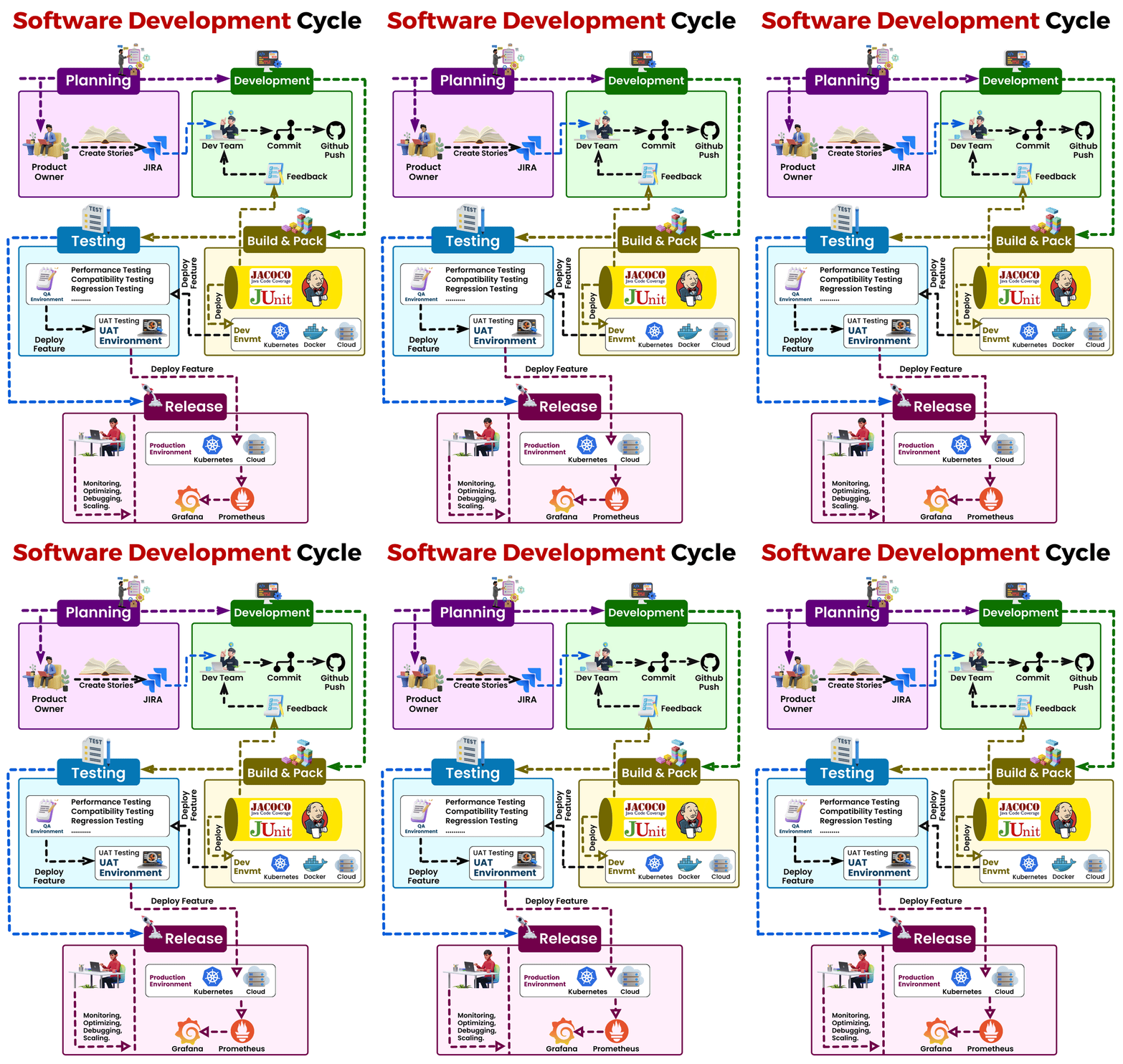
𝟭. 𝗣𝗹𝗮𝗻𝗻𝗶𝗻𝗴
- 🔹𝗙𝘂𝗻𝗰𝘁𝗶𝗼𝗻: Establishes the project’s scope, objectives, and requirements.
- 🔹𝗔𝗰𝘁𝗶𝘃𝗶𝘁𝗶𝗲𝘀: Involves gathering and analyzing requirements, defining the project roadmap, and allocating resources.
- 🔹𝗜𝗺𝗽𝗼𝗿𝘁𝗮𝗻𝗰𝗲: Provides a clear vision and direction, ensuring that the development team and stakeholders are aligned.
𝟮. 𝗗𝗲𝘃𝗲𝗹𝗼𝗽𝗺𝗲𝗻𝘁
- 🔹𝗙𝘂𝗻𝗰𝘁𝗶𝗼𝗻: Involves writing the actual code to create the software according to the defined requirements and design.
- 🔹𝗔𝗰𝘁𝗶𝘃𝗶𝘁𝗶𝗲𝘀: Includes designing the architecture, coding, and implementation.
- 🔹𝗧𝗼𝗼𝗹𝘀 𝗮𝗻𝗱 𝗣𝗿𝗮𝗰𝘁𝗶𝗰𝗲𝘀: Utilizes version control systems (e.g., Git), coding standards, and collaborative development environments.
𝟯. 𝗕𝘂𝗶𝗹𝗱 & 𝗣𝗮𝗰𝗸
- 🔹𝗙𝘂𝗻𝗰𝘁𝗶𝗼𝗻: Converts the code into an executable format that can be deployed and run.
- 🔹𝗔𝗰𝘁𝗶𝘃𝗶𝘁𝗶𝗲𝘀: Involves compiling the code, linking libraries, and packaging the software for distribution.
- 🔹𝗧𝗼𝗼𝗹𝘀: Uses build automation tools (e.g., Maven, Gradle) to streamline the process and ensure consistency.
𝟰. 𝗧𝗲𝘀𝘁𝗶𝗻𝗴
- 🔹𝗙𝘂𝗻𝗰𝘁𝗶𝗼𝗻: Ensures that the software is of high quality and free of defects.
- 🔹𝗧𝘆𝗽𝗲𝘀 𝗼𝗳 𝗧𝗲𝘀𝘁𝗶𝗻𝗴: Includes unit testing, integration testing, system testing, and user acceptance testing (UAT).
- 🔹𝗧𝗼𝗼𝗹𝘀: Utilizes testing frameworks (e.g., JUnit, Selenium) to automate and execute tests efficiently.
𝟱. 𝗥𝗲𝗹𝗲𝗮𝘀𝗲
- 🔹𝗙𝘂𝗻𝗰𝘁𝗶𝗼𝗻: Deploys the software to the production environment and makes it available to users.
- 🔹𝗔𝗰𝘁𝗶𝘃𝗶𝘁𝗶𝗲𝘀: Involves deployment planning, release management, and post-release monitoring.
- 🔹𝗕𝗲𝘀𝘁 𝗣𝗿𝗮𝗰𝘁𝗶𝗰𝗲𝘀: Follows continuous delivery and continuous deployment (CI/CD) practices to ensure smooth and reliable releases.
𝐈 𝐡𝐨𝐩𝐞 𝐭𝐡𝐢𝐬 𝐡𝐞𝐥𝐩𝐬 𝐲𝐨𝐮 🙌
This post is licensed under CC BY 4.0 by the author.