Infrastructure/System
DevOps Decoded, The Ultimate Toolkit for Modern Software Development
Let’s break down the DevOps lifecycle and explore the most powerful tools driving innovation:.
In today’s fast-paced tech world, knowing how DevOps works is no longer optional—it’s essential.
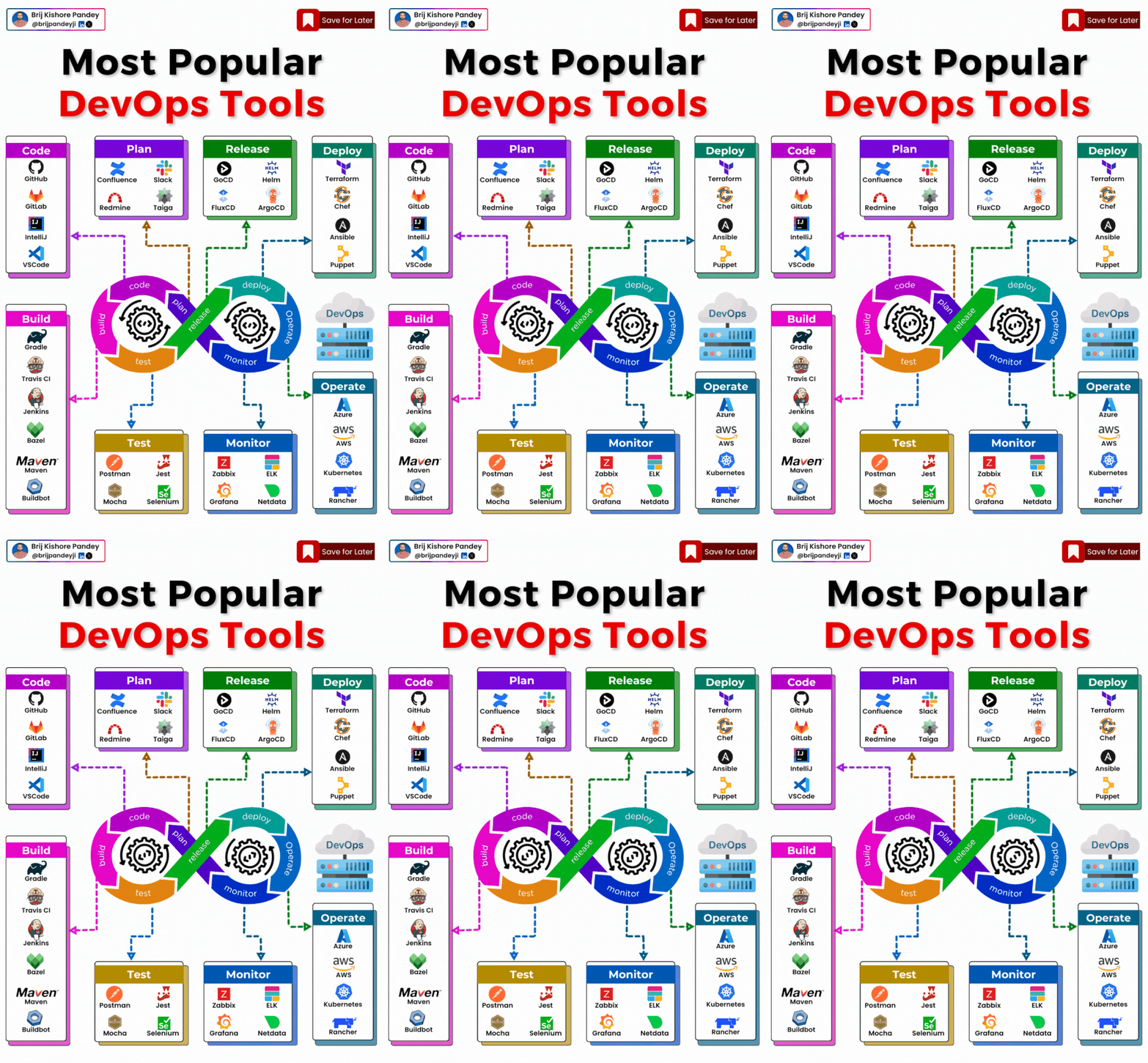
Let’s break down the DevOps lifecycle and explore the most powerful tools driving innovation:
- 🧠 Plan: Confluence, Slack, Redmine, Taiga
- 👨💻 Code: GitHub, GitLab, IntelliJ, VSCode
- 🏗️ Build: Gradle, Travis CI, Jenkins, Bazel, Maven, Buildbot
- 🧪 Test: Postman, Jest, Mocha, Selenium
- 🚀 Release: GoCD, Helm, FluxCD, ArgoCD
- ☁️ Deploy: Terraform, Chef, Ansible, Puppet
- 🔍 Monitor: Zabbix, ELK Stack, Grafana, Netdata
- ⚙️ Operate: Azure, AWS, Kubernetes, Rancher
The DevOps infinity loop isn’t just a concept—it’s a roadmap to continuous improvement and delivery.
Each phase is crucial, and the right tools can make or break your workflow.
Pro Tip: The key isn’t just knowing these tools, but understanding how they integrate to create a seamless DevOps culture.💡
DevOps Engineer Roadmap 2024: Your Guide to Success
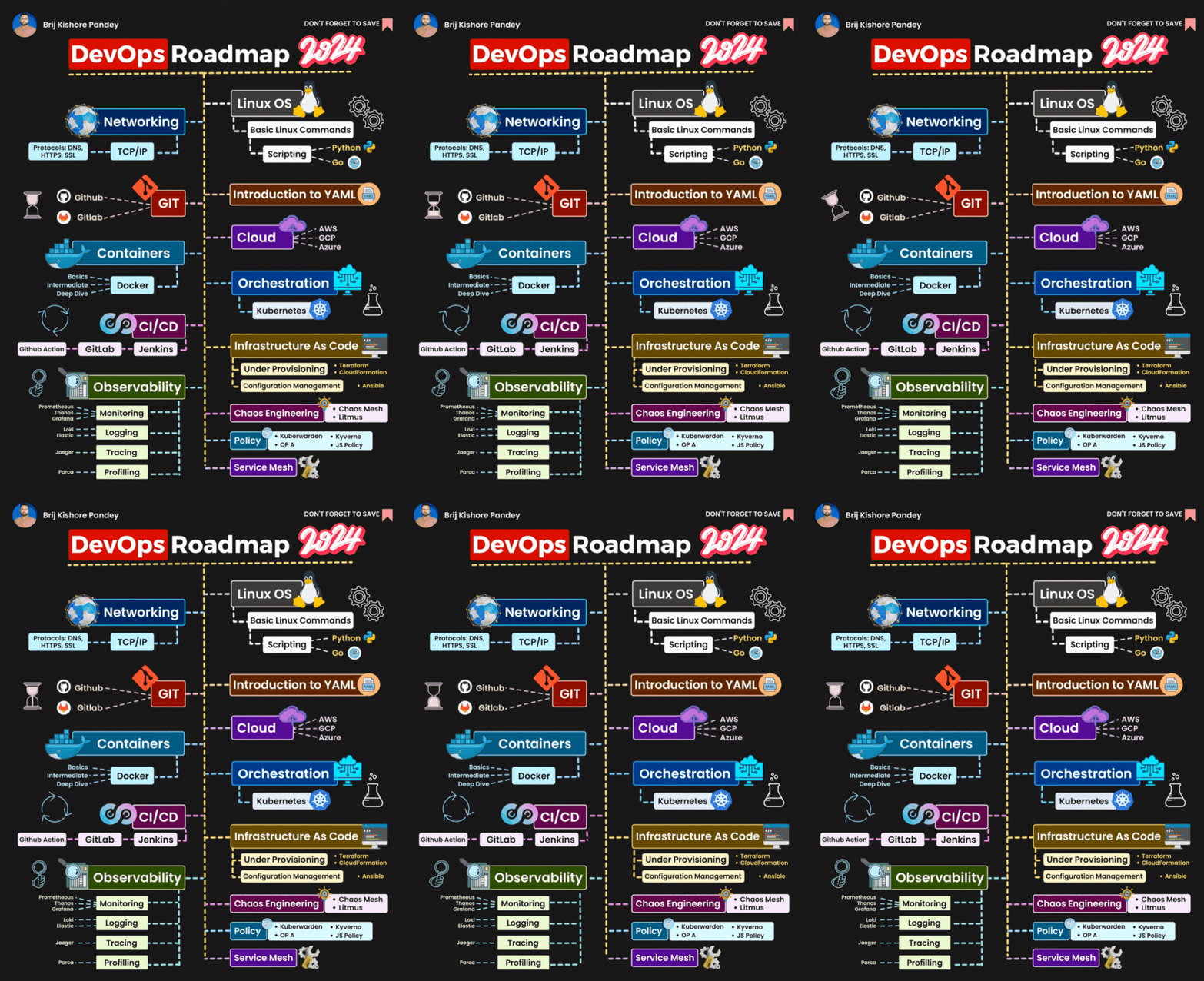
Here’s an up-to-date roadmap to help you navigate your journey:
- Master the Basics:
- Linux administration
- Scripting (Python or Go)
- Networking fundamentals
- Git version control
- Embrace Containers and Cloud:
- Docker containerization
- Cloud platforms (AWS, GCP, Azure)
- Build Robust Delivery Pipelines:
- Advanced CI/CD implementation
- Kubernetes for container orchestration
- Focus on Observability:
- Monitoring and logging tools
- Infrastructure as Code (Terraform)
- Ensure Production Readiness:
- Security and compliance automation
- Service mesh implementation (e.g., Istio)
- Chaos engineering for resilience testing
- Gain Real-World Experience:
- Personal projects
- Open source contributions
- Entry-level DevOps roles
- Consider Certifications:
- AWS Certified DevOps Engineer
- Similar respected credentials
This roadmap is a guide, not a strict rulebook. The field is constantly evolving, so adaptability is key.
This post is licensed under CC BY 4.0 by the author.