Agent/Orchestration
Sprite Fusion Pixel Snapper: Fixing AI-Generated Pixel Art with Multi-Agent Image Processing
Exploring Sprite Fusion Pixel Snapper - a Rust-based tool that fixes messy AI-generated pixel art by snapping pixels to perfect grids, quantizing colors, and preserving details through multi-agent image processing techniques
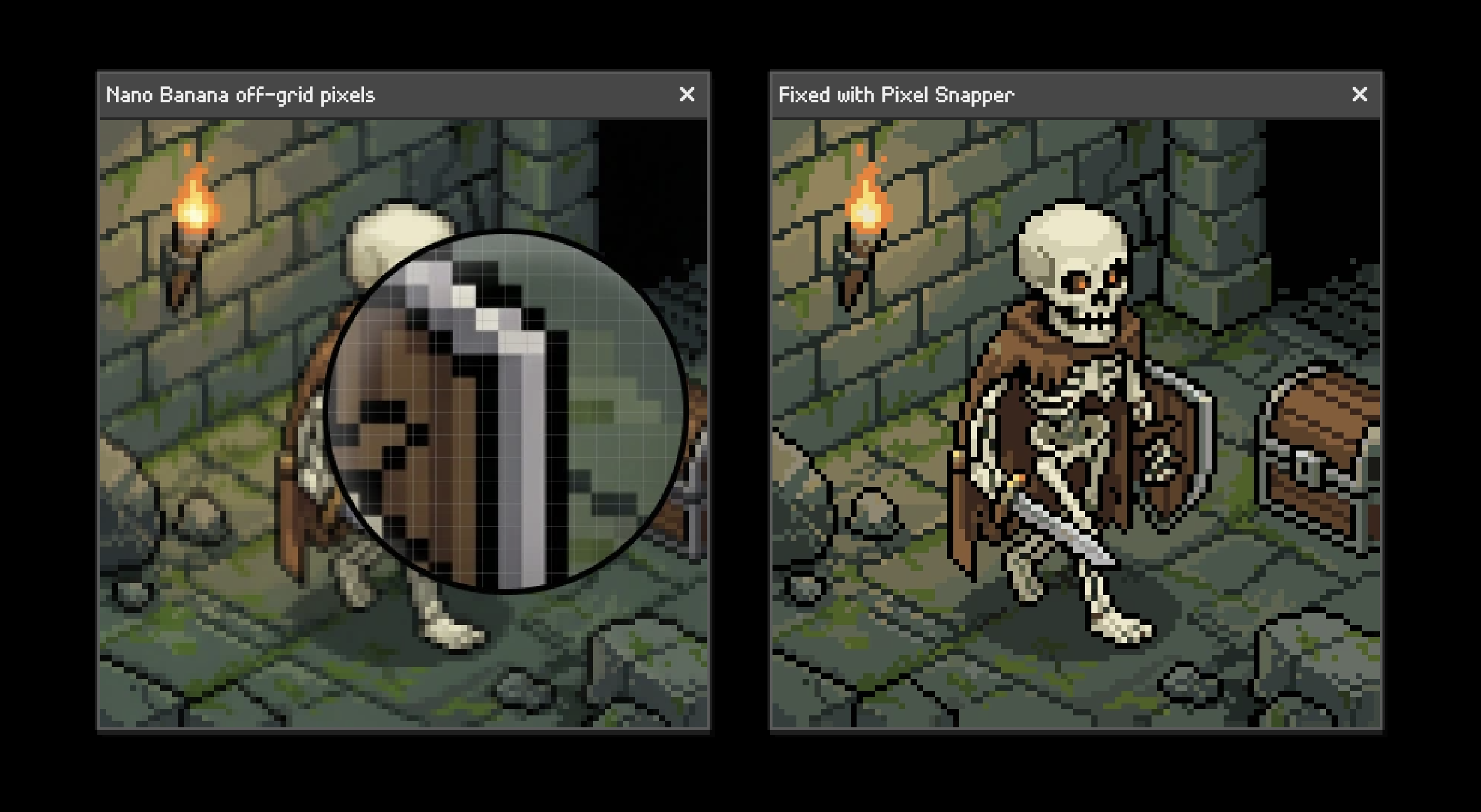
🤔 Curiosity: Can Multi-Agent Systems Fix AI’s Pixel Art Problems?
After 8 years of building AI systems in game development, one persistent challenge has been AI-generated pixel art that looks messy and inconsistent. Current AI image models can generate beautiful artwork, but they fundamentally don’t understand the constraints of grid-based pixel art.
Curiosity: Why do AI-generated pixel art images look “off” even when they’re visually appealing? Can a multi-agent approach to image processing solve the fundamental problems of inconsistent pixel sizes, drifting grid resolution, and unquantized color palettes?
Sprite Fusion Pixel Snapper is a Rust-based tool designed to fix messy and inconsistent pixel art generated by AI. It addresses three core problems that AI image models can’t handle:
- Inconsistent pixel sizes and positions - Pixels don’t align to a perfect grid
- Drifting grid resolution - The grid resolution changes over time
- Unquantized color palettes - Colors aren’t tied to a strict, limited palette
Core Question: How can a multi-agent image processing system snap pixels to perfect grids, maintain consistent resolution, and quantize colors while preserving as much detail as possible?
📚 Retrieve: Understanding Pixel Snapper’s Architecture
The Problem with AI-Generated Pixel Art
Current AI image models can’t understand grid-based pixel art.
| Problem | Description | Impact |
|---|---|---|
| Inconsistent Pixels | Pixels vary in size and position | Art looks blurry and unprofessional |
| Grid Drift | Grid resolution changes over time | Scaling issues, inconsistent appearance |
| Color Chaos | Colors not tied to strict palette | File size bloat, inconsistent aesthetics |
Pixel Snapper’s Solution
With Pixel Snapper:
- ✅ Pixels are snapped to a perfect grid - Every pixel aligns perfectly
- ✅ Grid resolution is consistent - Can be scaled to pixel resolution
- ✅ Colors are quantized - Tied to a strict, quantized palette
Multi-Agent Processing Architecture
graph TB
    subgraph "Pixel Snapper Multi-Agent System"
        A[Input Image] --> B[Grid Detection Agent]
        A --> C[Color Analysis Agent]
        A --> D[Detail Preservation Agent]

        B --> E[Grid Snapping Agent]
        C --> F[Color Quantization Agent]
        D --> G[Dithering Preservation Agent]

        E --> H[Pixel Alignment Agent]
        F --> I[Palette Optimization Agent]
        G --> J[Detail Enhancement Agent]

        H --> K[Grid Consistency Agent]
        I --> K
        J --> K

        K --> L[Output Image]
    end

    style A fill:#ff6b6b,stroke:#c92a2a,stroke-width:2px,color:#fff
    style L fill:#90ee90,stroke:#228b22,stroke-width:2px,color:#000
    style K fill:#ffe66d,stroke:#f4a261,stroke-width:2px,color:#000
💡 Innovation: Deep Dive into Pixel Snapper’s Capabilities
Perfect For
1. AI-Generated Pixel Art
AI-generated pixel art often needs post-processing to be usable in games. Pixel Snapper transforms messy AI output into clean, grid-aligned pixel art.
2. Procedural 2D Art
Procedural art that doesn’t fit a grid (like tilemaps or isometric maps) can be processed to align perfectly.
3. Game Assets and Textures
2D game assets and 3D textures that need to be perfectly scalable benefit from Pixel Snapper’s grid alignment.
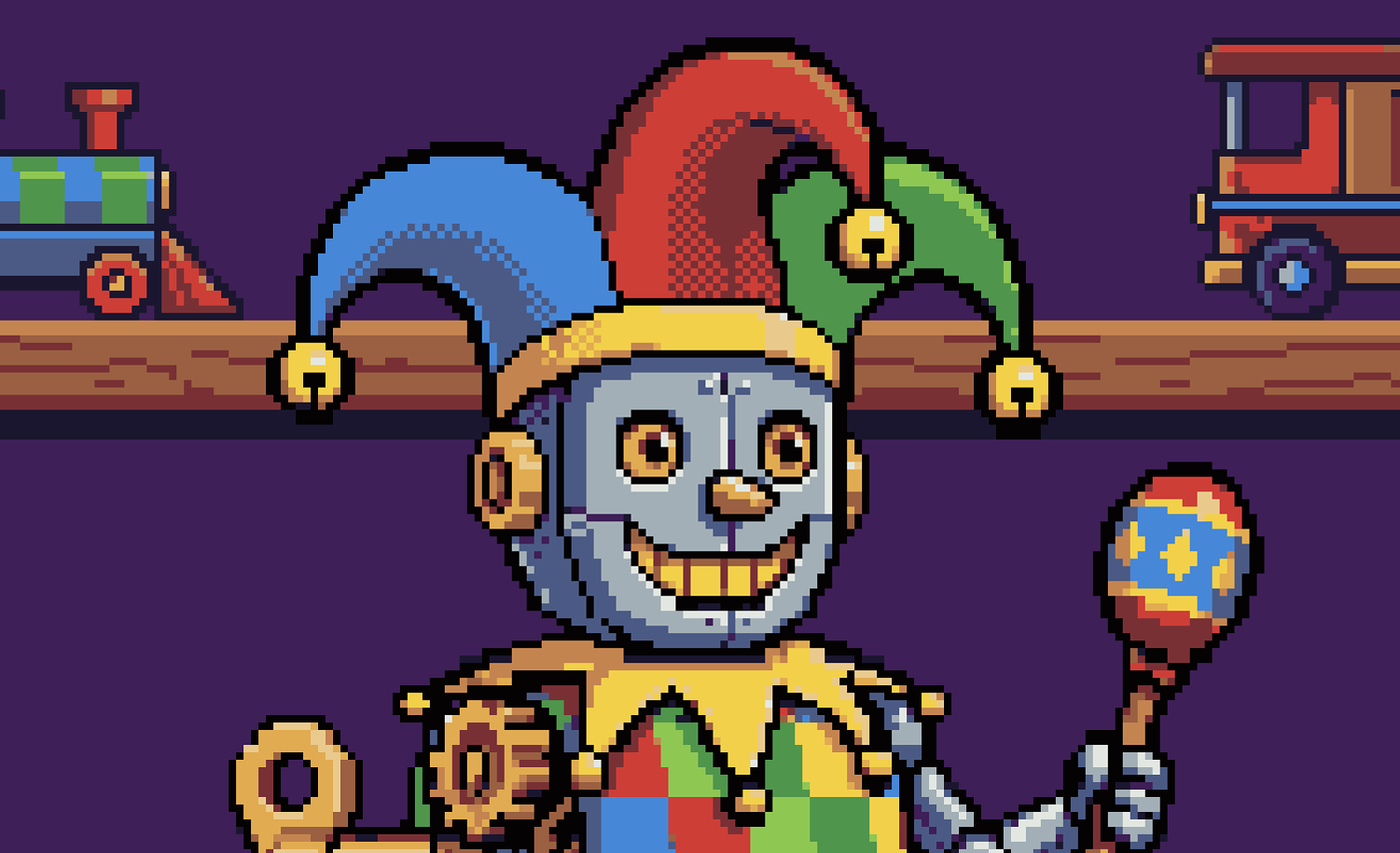
Pixel Snapper preserves as much detail as possible like dithering.
Technical Implementation
Technology Stack:
- Language: Rust (for performance and safety)
- Deployment: CLI tool and WebAssembly (WASM) module
- Image Processing: Custom algorithms for grid detection and color quantization
- License: MIT License
Multi-Agent Processing Workflow
1
2
3
4
5
6
7
8
9
10
11
12
13
14
15
16
17
18
19
20
21
22
23
24
25
26
27
28
29
30
31
32
33
34
35
36
37
38
39
40
41
42
43
44
45
46
47
48
49
50
51
52
53
54
55
56
57
58
59
60
61
62
63
64
65
66
# Conceptual multi-agent workflow for Pixel Snapper

class PixelSnapperMultiAgent:
    """
    Multi-agent system for processing pixel art
    """

    def __init__(self):
        self.agents = {
            'grid_detector': GridDetectionAgent(),
            'color_analyzer': ColorAnalysisAgent(),
            'detail_preserver': DetailPreservationAgent(),
            'grid_snapper': GridSnappingAgent(),
            'color_quantizer': ColorQuantizationAgent(),
            'consistency_checker': ConsistencyCheckerAgent()
        }

    async def process_image(
        self,
        input_image: Image,
        k_colors: int = None
    ) -> Image:
        """
        Process image through multi-agent pipeline

        Args:
            input_image: Input pixel art image
            k_colors: Optional color palette size

        Returns:
            Processed pixel art image
        """
        # Phase 1: Analysis
        grid_info = await self.agents['grid_detector'].detect_grid(input_image)
        color_info = await self.agents['color_analyzer'].analyze_colors(
            input_image,
            k_colors
        )
        detail_info = await self.agents['detail_preserver'].analyze_details(
            input_image
        )

        # Phase 2: Processing
        snapped_image = await self.agents['grid_snapper'].snap_to_grid(
            input_image,
            grid_info
        )
        quantized_image = await self.agents['color_quantizer'].quantize_colors(
            snapped_image,
            color_info
        )

        # Phase 3: Enhancement
        enhanced_image = await self.agents['detail_preserver'].preserve_details(
            quantized_image,
            detail_info
        )

        # Phase 4: Validation
        final_image = await self.agents['consistency_checker'].validate(
            enhanced_image,
            grid_info,
            color_info
        )

        return final_image
🛠️ Implementation: Using Pixel Snapper
Installation
Pixel Snapper requires Rust installed on your machine.
CLI Usage
1
2
3
4
5
6
7
8
9
# Clone the repository
git clone https://github.com/Hugo-Dz/spritefusion-pixel-snapper.git
cd spritefusion-pixel-snapper

# Run with default settings
cargo run input.png output.png

# Run with custom color palette (16 colors)
cargo run input.png output.png 16
Command Options:
input.png- Input image fileoutput.png- Output image file16(optional) - Number of colors in palette (k-colors argument)
WebAssembly (WASM) Usage
1
2
3
4
5
6
# Clone the repository
git clone https://github.com/Hugo-Dz/spritefusion-pixel-snapper.git
cd spritefusion-pixel-snapper

# Build WASM module
wasm-pack build --target web --out-dir pkg --release
Then use the WASM module in your web project for browser-based pixel art processing.
Multi-Agent Integration Example
1
2
3
4
5
6
7
8
9
10
11
12
13
14
15
16
17
18
19
20
21
22
23
24
25
26
27
28
29
30
31
32
33
34
35
36
37
38
39
40
41
42
43
44
45
// Example: Using Pixel Snapper in a multi-agent game asset pipeline

class GameAssetProcessingPipeline {
    constructor() {
        this.agents = {
            'ai_generator': AIImageGeneratorAgent(),
            'pixel_snapper': PixelSnapperAgent(), // WASM module
            'optimizer': AssetOptimizerAgent(),
            'validator': AssetValidatorAgent()
        }
    }

    async processAsset(prompt: string): Promise<ProcessedAsset> {
        // Step 1: Generate with AI
        const aiImage = await this.agents['ai_generator'].generate(prompt)

        // Step 2: Snap to grid with Pixel Snapper
        const snappedImage = await this.agents['pixel_snapper'].process(
            aiImage,
            { k_colors: 16 }
        )

        // Step 3: Optimize for game engine
        const optimizedAsset = await this.agents['optimizer'].optimize(
            snappedImage,
            { format: 'png', compression: 'lossless' }
        )

        // Step 4: Validate quality
        const validation = await this.agents['validator'].validate(
            optimizedAsset,
            {
                grid_alignment: true,
                color_palette: true,
                file_size: true
            }
        )

        return {
            asset: optimizedAsset,
            validation: validation,
            ready_for_production: validation.passed
        }
    }
}
🎯 Use Cases and Applications
1. AI-Assisted Game Development
Workflow:
- Generate pixel art with AI (Midjourney, DALL-E, Stable Diffusion)
- Process with Pixel Snapper to fix grid alignment
- Integrate into game engine (Unity, Godot, Defold, GB Studio)
Benefits:
- ✅ Consistent pixel alignment
- ✅ Optimized color palettes
- ✅ Production-ready assets
2. Procedural Content Generation
Applications:
- Tilemap generation
- Isometric map creation
- Texture synthesis
Multi-Agent Approach:
graph LR
    A[Procedural Generator] --> B[Pixel Snapper]
    B --> C[Grid Validator]
    C --> D[Color Optimizer]
    D --> E[Final Asset]

    style A fill:#ff6b6b,stroke:#c92a2a,stroke-width:2px,color:#fff
    style E fill:#90ee90,stroke:#228b22,stroke-width:2px,color:#000
3. Legacy Asset Conversion
Convert non-grid-aligned assets to perfect pixel art for retro game development.
📊 Technical Deep Dive
Grid Detection Algorithm
Multi-Agent Grid Detection:
1
2
3
4
5
6
7
8
9
10
11
12
13
14
15
// Conceptual Rust implementation

struct GridDetectionAgent {
    min_grid_size: u32,
    max_grid_size: u32,
}

impl GridDetectionAgent {
    fn detect_grid(&self, image: &Image) -> GridInfo {
        // Analyze pixel distribution
        // Find optimal grid size
        // Detect grid alignment
        // Return grid information
    }
}
Color Quantization
Palette Optimization:
- K-means clustering for color reduction
- Dithering preservation
- Palette optimization for file size
Detail Preservation
Key Techniques:
- Dithering pattern detection
- Edge preservation
- Detail enhancement algorithms
🌐 Sprite Fusion Ecosystem
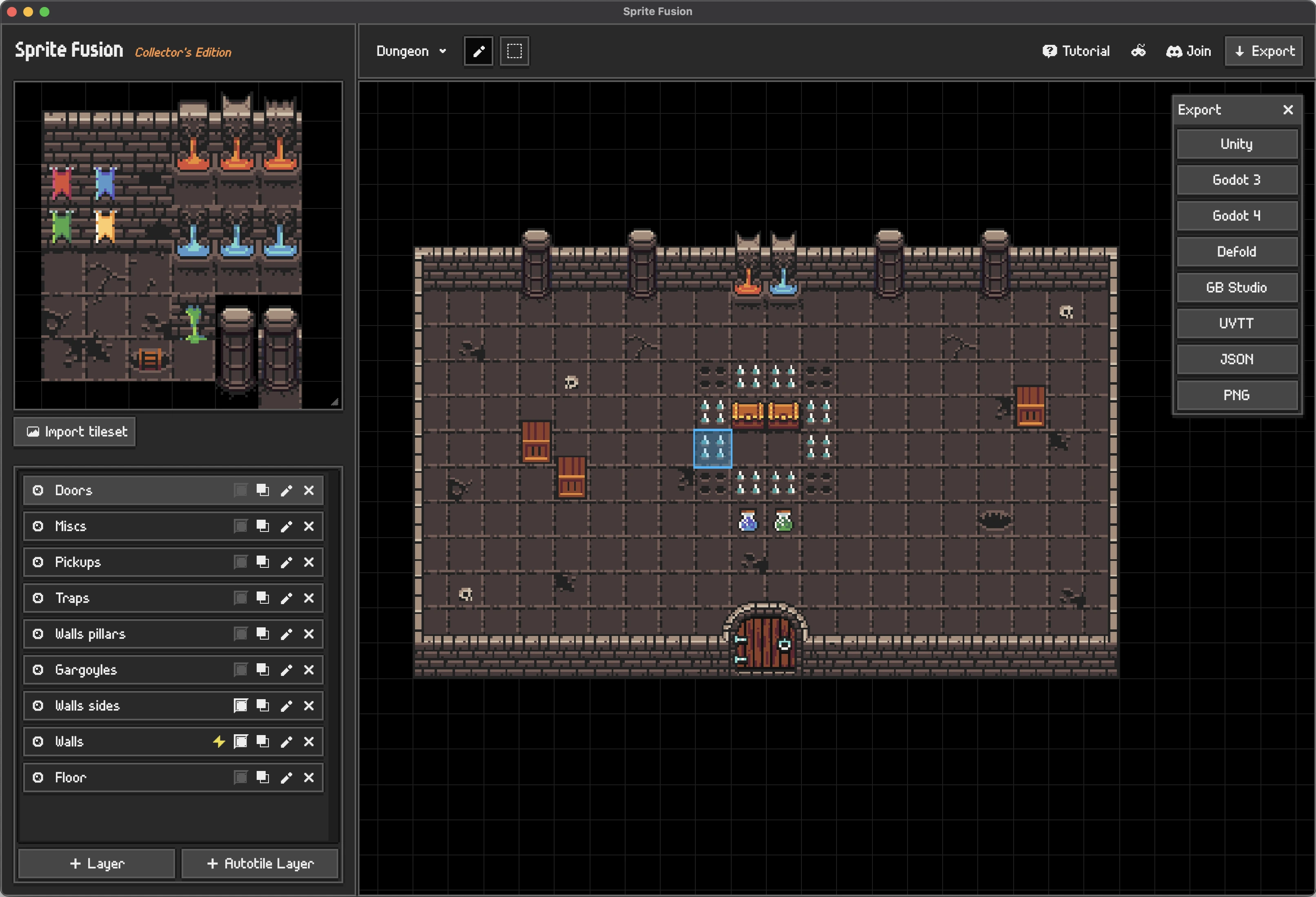
Pixel Snapper is part of the Sprite Fusion project ecosystem.
Sprite Fusion is a free, web-based tilemap editor for game developers supporting:
- Unity
- Godot
- Defold
- GB Studio
- And many more engines
Multi-Agent Game Development Workflow:
graph TB
    A[Sprite Fusion Editor] --> B[Tilemap Creation]
    B --> C[Pixel Snapper]
    C --> D[Asset Optimization]
    D --> E[Game Engine Integration]

    E --> F[Unity]
    E --> G[Godot]
    E --> H[Defold]
    E --> I[GB Studio]

    style A fill:#ff6b6b,stroke:#c92a2a,stroke-width:2px,color:#fff
    style C fill:#ffe66d,stroke:#f4a261,stroke-width:2px,color:#000
🔬 Multi-Agent Architecture Benefits
Why Multi-Agent Approach?
1. Specialized Processing
Each agent handles a specific aspect:
- Grid detection
- Color analysis
- Detail preservation
- Consistency validation
2. Parallel Processing
Agents can work in parallel where possible, improving performance.
3. Modular Design
Easy to extend with new agents for additional features.
4. Quality Assurance
Multiple validation agents ensure output quality.
Performance Characteristics
| Metric | Value | Notes |
|---|---|---|
| Language | Rust | High performance, memory safety |
| Deployment | CLI + WASM | Cross-platform support |
| Processing Speed | Fast | Optimized algorithms |
| Memory Usage | Low | Efficient image processing |
🚀 Future Enhancements
Potential Multi-Agent Extensions
1. Style Transfer Agent
Apply pixel art styles while maintaining grid alignment.
2. Animation Agent
Process sprite animations with consistent grid alignment across frames.
3. Batch Processing Agent
Process multiple images in parallel with resource management.
4. Quality Assessment Agent
Automatically assess pixel art quality and suggest improvements.
📝 Code Example: Multi-Agent Integration
1
2
3
4
5
6
7
8
9
10
11
12
13
14
15
16
17
18
19
20
21
22
23
24
25
26
27
28
29
30
31
32
// Example: Integrating Pixel Snapper into a multi-agent system

use pixel_snapper::PixelSnapper;

struct MultiAgentPixelProcessor {
    snapper: PixelSnapper,
    grid_agent: GridDetectionAgent,
    color_agent: ColorQuantizationAgent,
    detail_agent: DetailPreservationAgent,
}

impl MultiAgentPixelProcessor {
    async fn process_with_agents(
        &self,
        input: &Image,
        config: ProcessingConfig
    ) -> Result<Image, ProcessingError> {
        // Parallel analysis phase
        let (grid_info, color_info, detail_info) = tokio::join!(
            self.grid_agent.analyze(input),
            self.color_agent.analyze(input, config.k_colors),
            self.detail_agent.analyze(input)
        );

        // Sequential processing phase
        let snapped = self.snapper.snap_to_grid(input, &grid_info)?;
        let quantized = self.color_agent.quantize(&snapped, &color_info)?;
        let enhanced = self.detail_agent.enhance(&quantized, &detail_info)?;

        Ok(enhanced)
    }
}
🤔 New Questions: Future of AI Pixel Art
- Real-Time Processing: Can Pixel Snapper be integrated into real-time AI art generation pipelines?
- Style Preservation: How can we preserve artistic style while fixing grid alignment?
- Animation Support: Can multi-agent systems process sprite animations with frame consistency?
- Quality Metrics: What metrics best measure pixel art quality in automated systems?
Next Experiment: Building a complete multi-agent pipeline that generates AI pixel art and automatically processes it with Pixel Snapper for game development.
References
Sprite Fusion Pixel Snapper:
Image Processing:
Game Development:
Tools and Frameworks:
Community and Learning: