Harness Architecture: Turning Autonomous AI Agent Experiments into Reliable Systems
A source audit of revfactory/harness, evaluating multi-agent team topology, role boundary enforcement, dynamic skill generation, and evaluation gates.
LATEST INVESTIGATIONS
A source audit of revfactory/harness, evaluating multi-agent team topology, role boundary enforcement, dynamic skill generation, and evaluation gates.
A source audit of OpenAI Codex plugin architecture, analyzing manifest schemas, runtime capability bundles, MCP tool contracts, and agent execution boundaries.
A source audit of nine essential GitHub repositories for Claude Code in 2026, evaluating persistent memory, n8n automation, LightRAG, and orchestration harnesses.
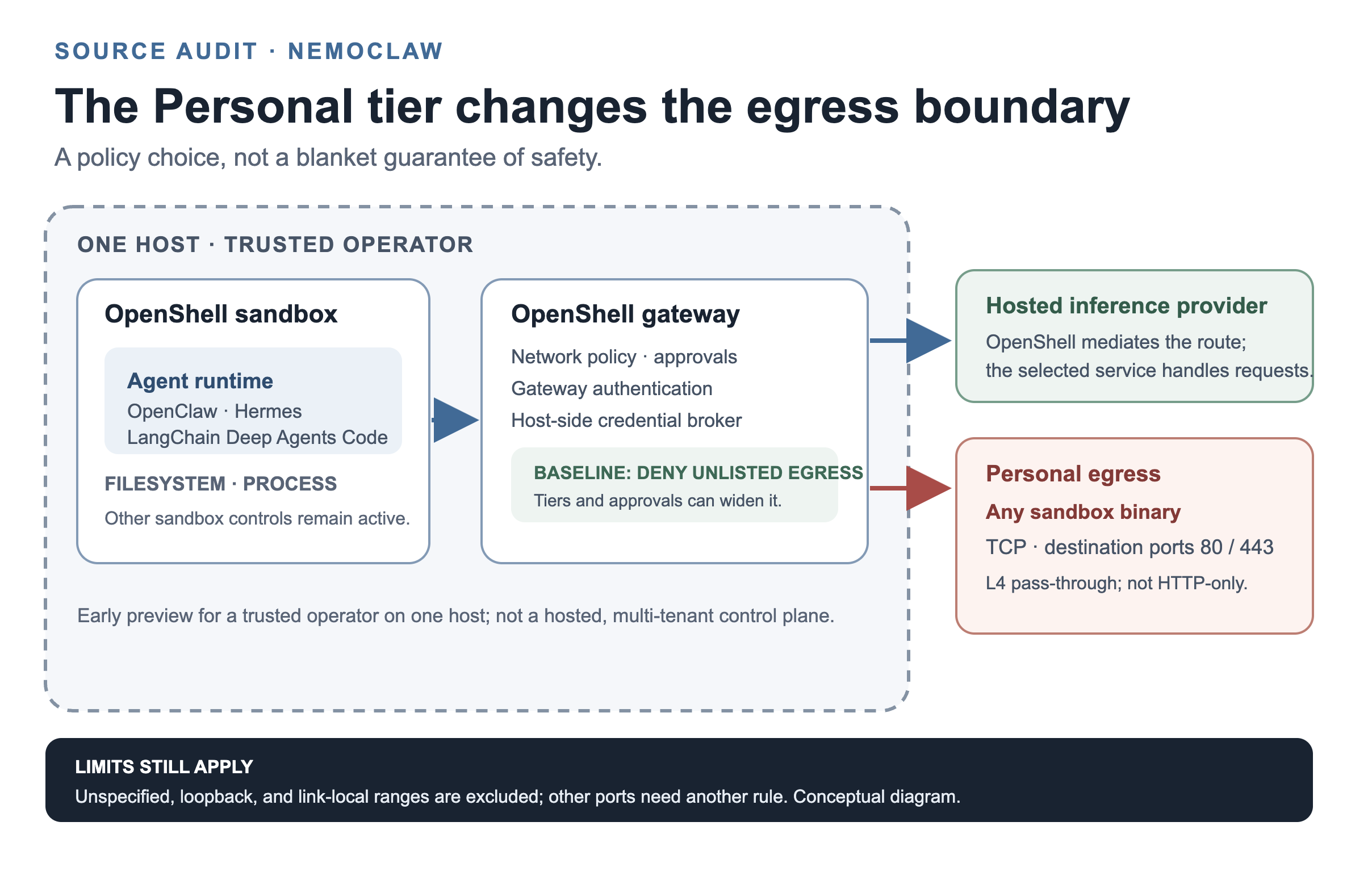
NVIDIA’s Personal tier allows any sandbox binary TCP access on ports 80/443, subject to exclusions. Here’s the boundary, remaining controls, and one-host preview scope.

A technical source audit of OpenAI Codex Subagents, analyzing TOML-based agent definitions, sandbox permission isolation, concurrency limits, and team workflows.

An architectural source audit of OpenDev, analyzing its Rust-native compound agent design, multi-model workflow routing, and independent critique verifiers.
A step-by-step guide to run each NanoClaw agent in isolated Docker Sandboxes, with hardening checks and real operational patterns for small teams and production rollouts.
A source audit of the OpenClaw skill ecosystem, evaluating catalog curation, ClawHub package management, permission boundaries, and frontend team adoption.
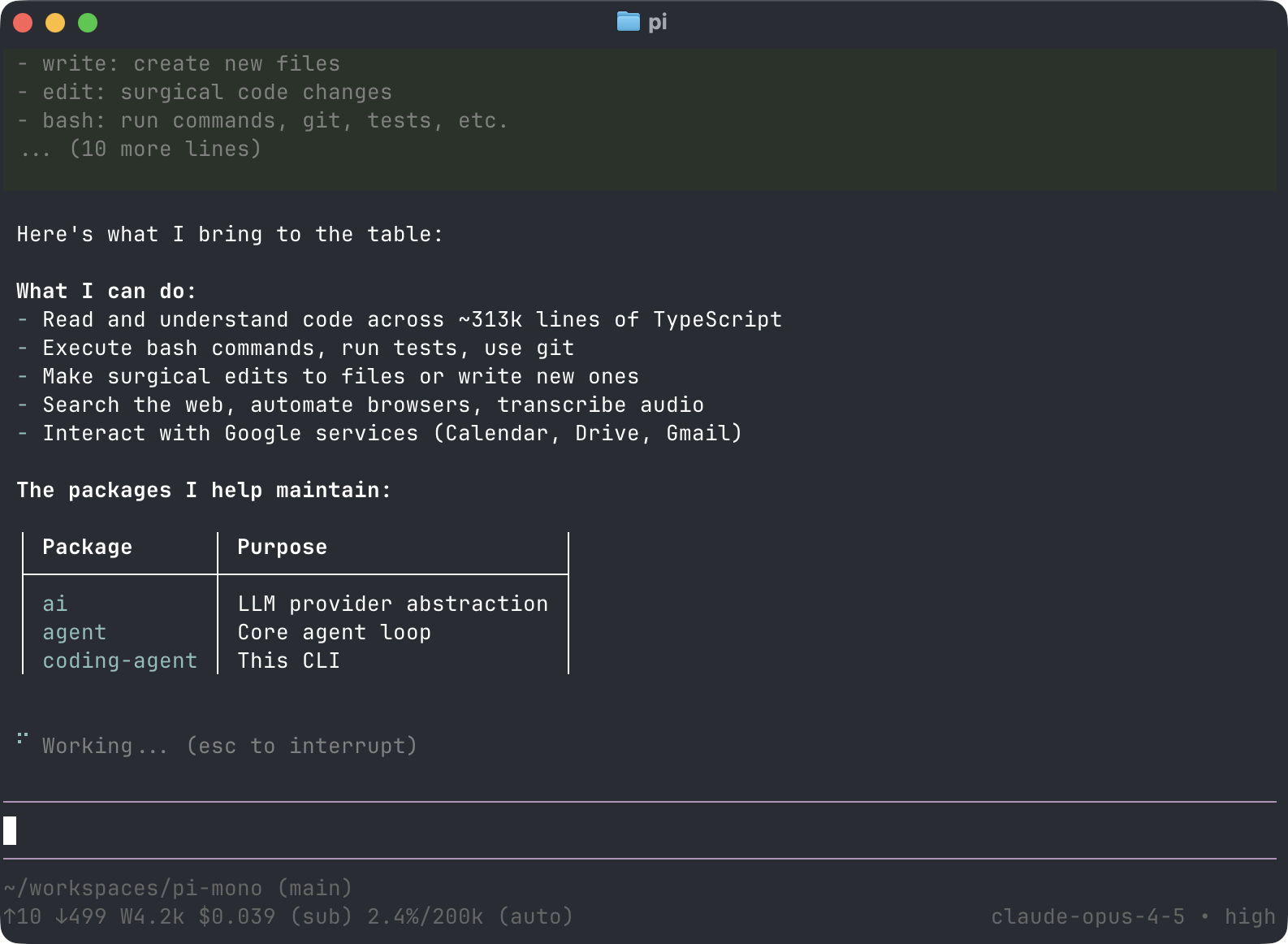
A technical source audit of Mario Zechner’s pi agent and Armin Ronacher’s analysis, examining minimal micro-kernels, lifecycle hooks, and TypeScript extensions.
A source audit of Daniel Miessler’s Fabric, evaluating prompt-pattern modularity, Unix stdin pipe composability, vendor-agnostic routing, and content operations.
Search article titles, categories, and tags. Full text is searched when needed.
Type to search articles.