AI
ClawRouter: Local‑First Routing for Minimal OpenClaw Assistants
Why routing matters in the new minimal‑agent ecosystem—and how ClawRouter pushes local control, cost, and reliability.
🤔 Curiosity: The Question
After surveying the minimal OpenClaw ecosystem, one question kept nagging me: if the assistants are getting smaller, how should routing get smarter without getting heavier? In production, routing isn’t just “which model?”—it’s latency, privacy, cost, and reliability all at once.
That’s where ClawRouter lands: a local‑first router designed for ultra‑lightweight assistants—aligned with the ecosystem I mapped in the earlier post.
📚 Retrieve: The Knowledge
Context: the minimal ecosystem baseline
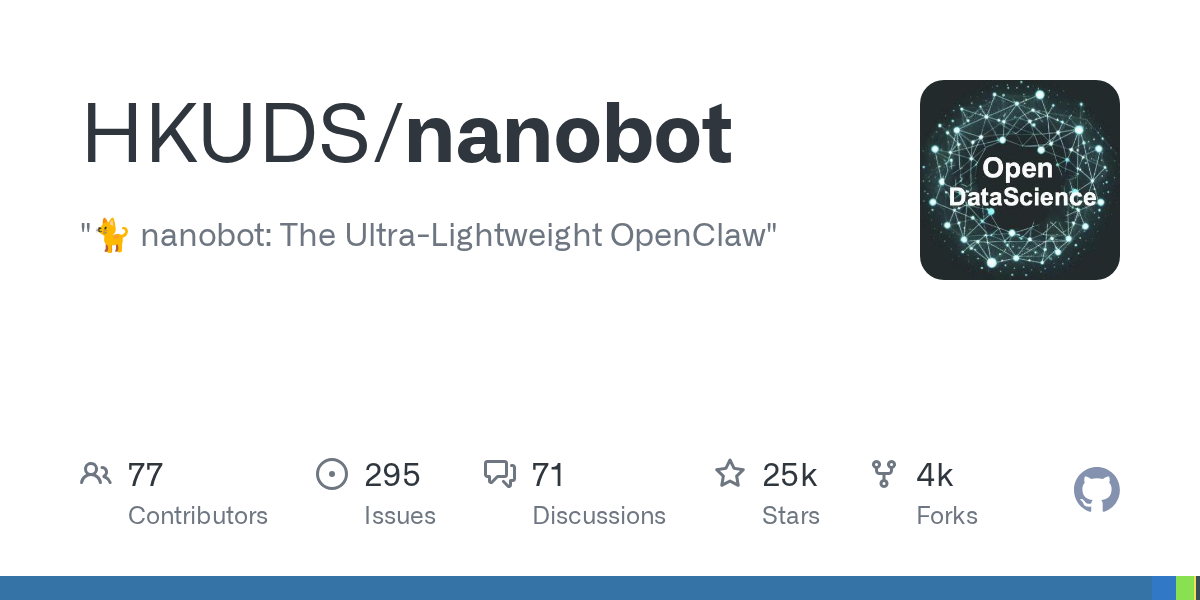
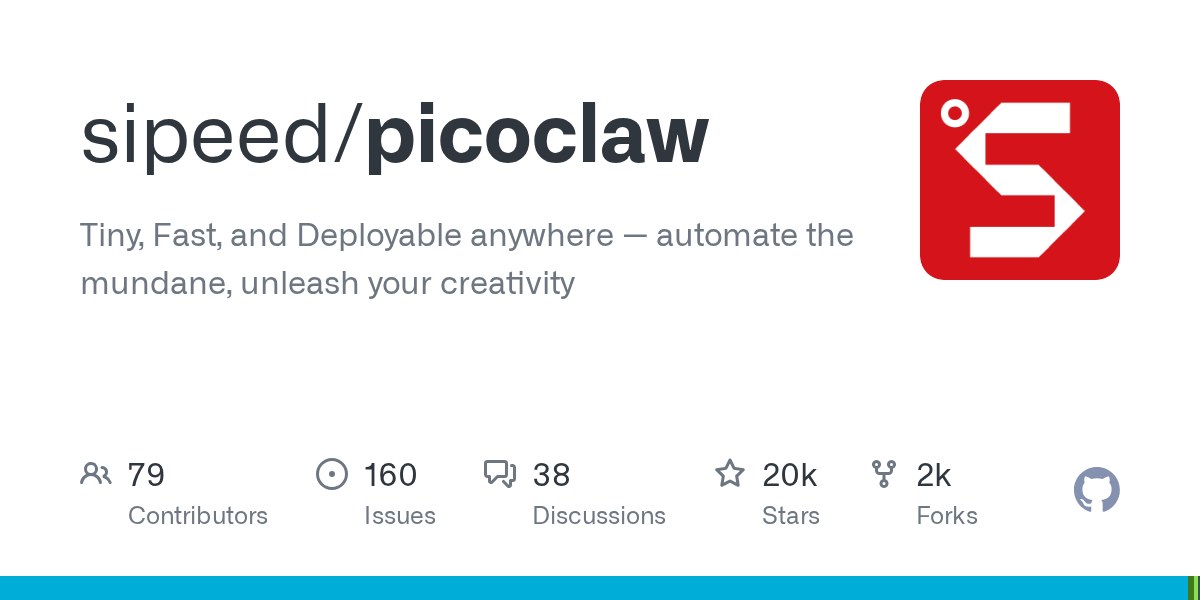
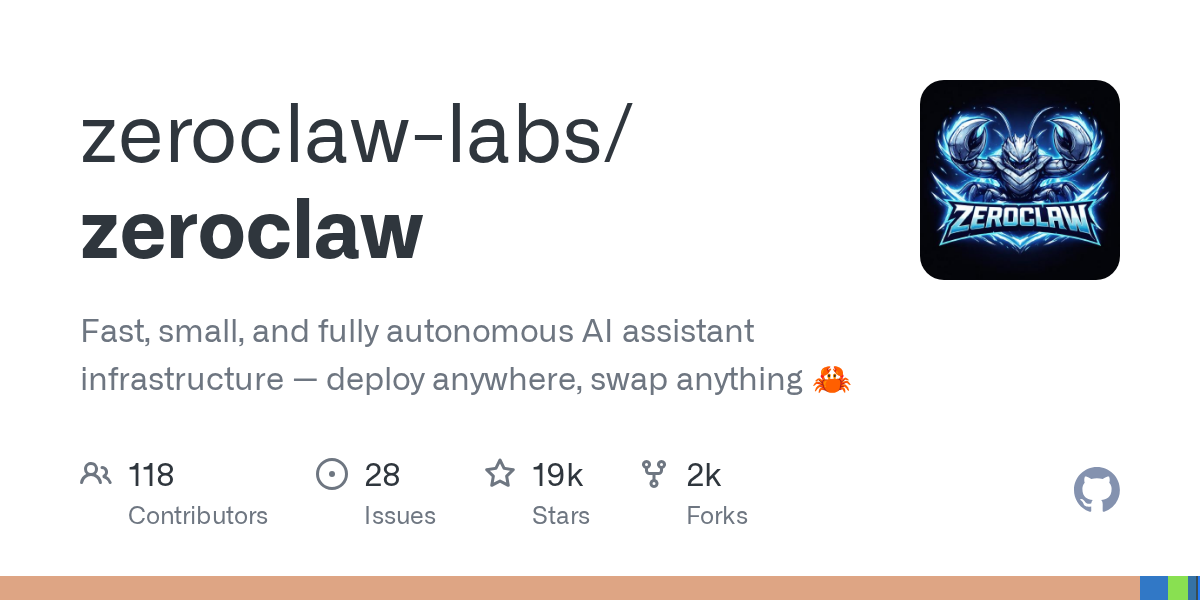
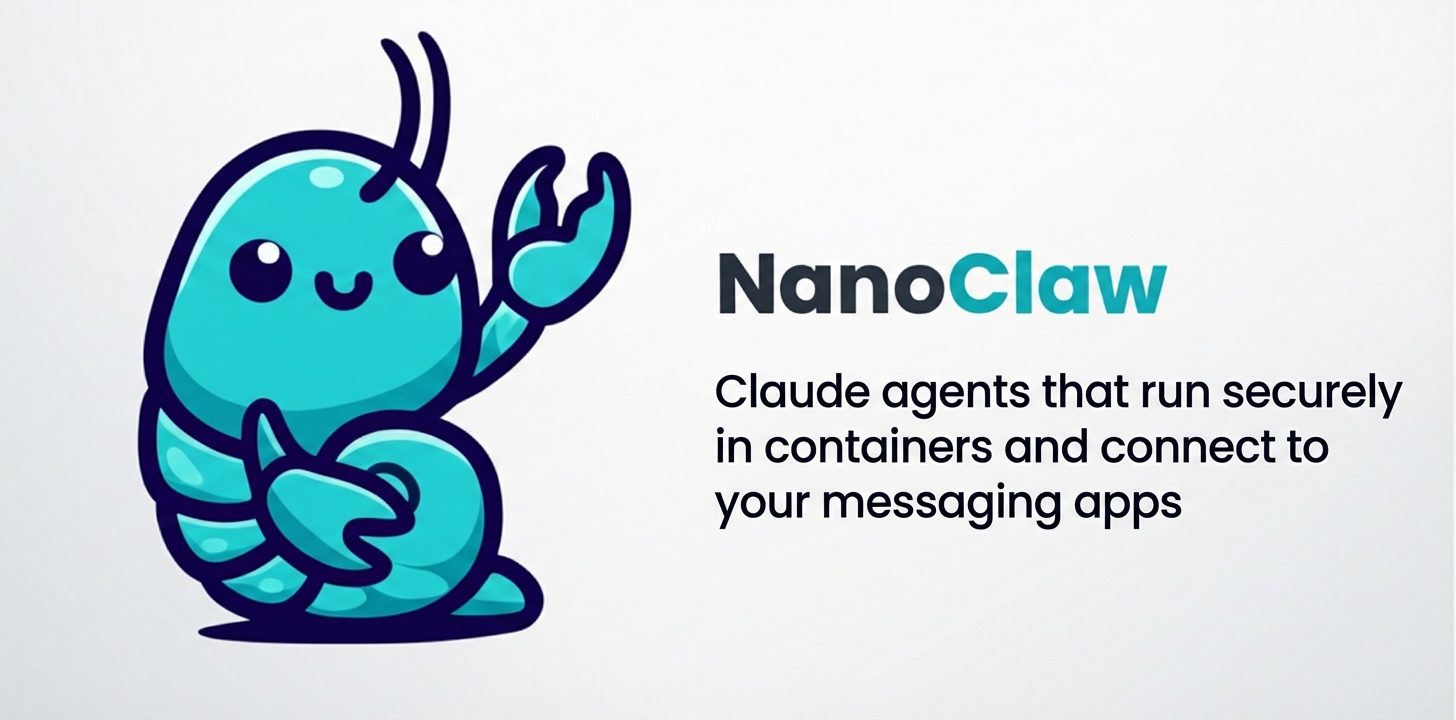
From the ecosystem snapshot (NanoBot → TinyClaw), we already saw a clear trend: smaller stacks, higher ownership, less vendor dependency. ClawRouter sits above that layer to decide which model runs, when—without external calls.
Here’s a quick reminder of the landscape:
ClawRouter Features (Local‑First)
- 100% local routing — 15‑dimension weighted scoring on‑device in <1ms
- Zero external calls — no API calls for routing decisions
- 30+ models — OpenAI, Anthropic, Google, DeepSeek, xAI, Moonshot via one wallet
- x402 micropayments — pay‑per‑request with USDC on Base (no API keys)
- Open source — MIT licensed, inspectable routing logic
ClawRouter Advanced Features
- Agentic auto‑detect — routes multi‑step tasks to Kimi K2.5
- Tool detection — switches when tool arrays are present
- Context‑aware — filters models that can’t handle your context size
- Model aliases — e.g.,
/model sonnet,/model grok - Session persistence — pins a model for multi‑turn conversations
- Free‑tier fallback — keeps working when wallet is empty
- Auto‑update check — notifies when a new version is available
Minimal routing flow
graph LR
  A[User Input] --> B[Local Scorer]
  B --> C{Policy Rules}
  C --> D[Model Select]
  D --> E[Execute]
  E --> F[Session Pin]

  style B fill:#ff6b6b,stroke:#c92a2a,color:#fff
  style D fill:#4ecdc4,stroke:#0a9396,color:#fff
  style F fill:#ffe66d,stroke:#f4a261,color:#000
💡 Innovation: The Insight
Why this matters for AI × Games
In game production, routing is a budget line. A tiny router that runs locally changes the economics:
- Latency control for live‑ops workflows
- Cost predictability for multi‑agent systems
- Privacy guarantees when internal data is involved
That’s why ClawRouter fits the minimal‑agent trend: it lets you keep the decision layer small and local, while still scaling across multiple models.
What I’d test first
1) Routing by task type (analysis vs. content vs. tool‑heavy)
2) Fallback strategy when wallet or rate limits hit
3) Session pinning for long NPC dialogs or multi‑turn design tasks
New Questions This Raises
- Can local routers become auditable compliance artifacts in production pipelines?
- How do we benchmark routing quality vs. raw model benchmarks?
- What’s the right minimal schema for routing policies across teams?
References
- Minimal OpenClaw ecosystem snapshot:
https://akillness.github.io/posts/build-your-own-ai-assistant-minimal-openclaw/