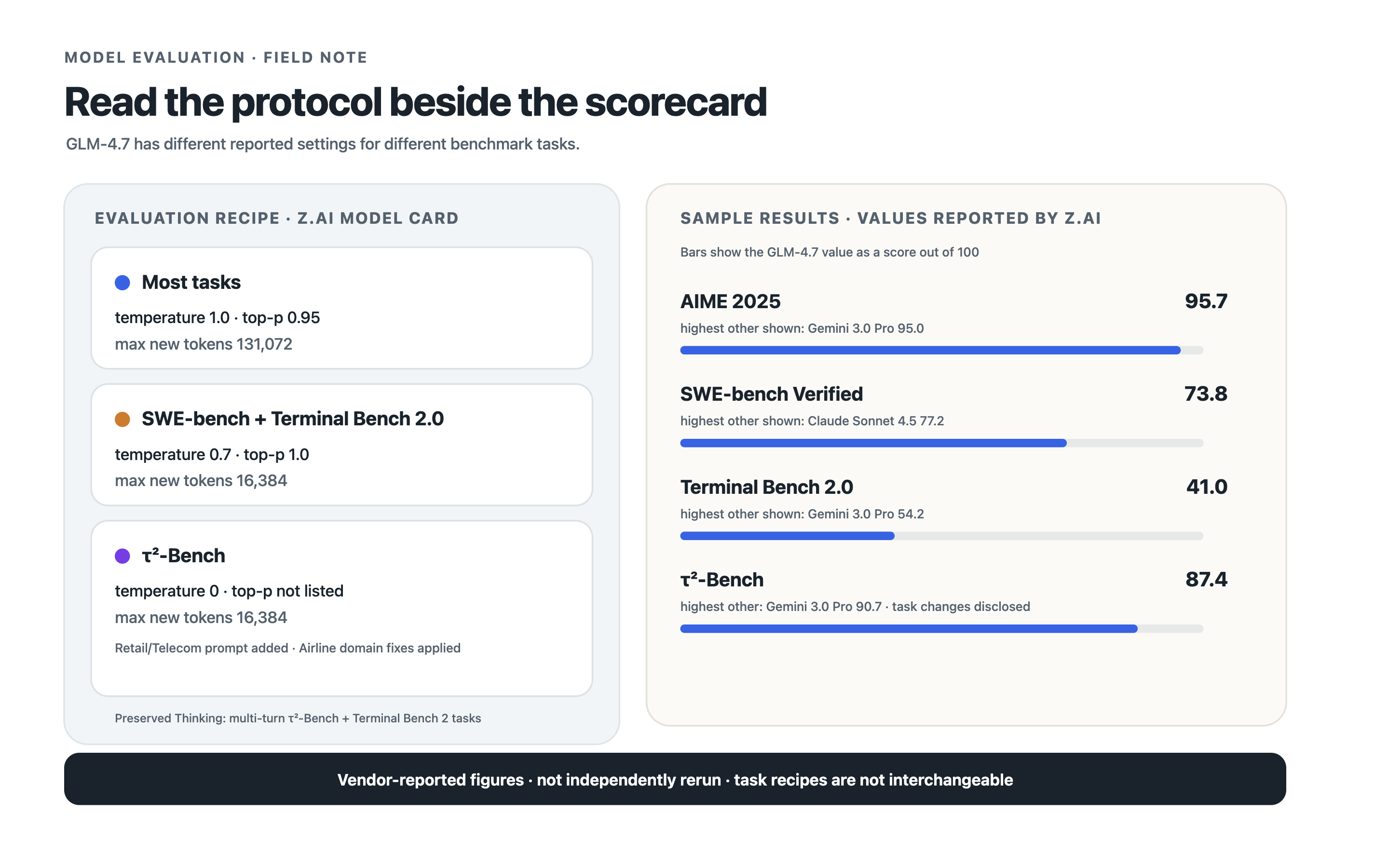
GLM-4.7’s scorecard needs its test protocol beside it
A source-bound reading of GLM-4.7’s reported scores, task-specific decoding settings, τ²-Bench changes, and what the results can establish.
LATEST INVESTIGATIONS
A source-bound reading of GLM-4.7’s reported scores, task-specific decoding settings, τ²-Bench changes, and what the results can establish.
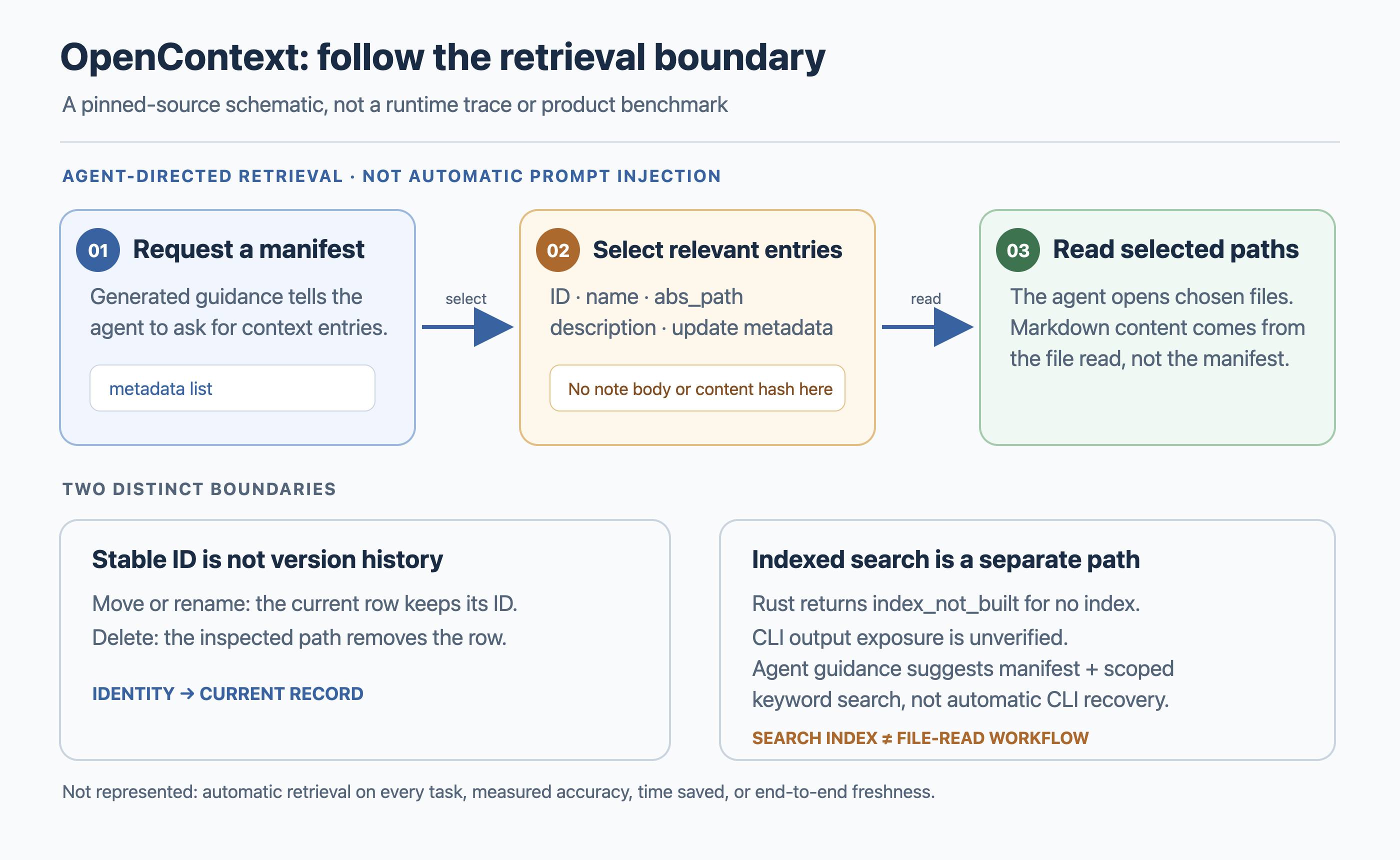
A source audit separates OpenContext’s Markdown store, agent guidance, manifest metadata, stable IDs and indexed search, without claiming automatic memory or benchmark gains.
An empirical audit of Microsoft Fara-7B and FaraGen: why synthetic trajectories and critical points matter for on-device computer-use agents.
An architectural audit of karpathy/llm-council: examining 3-stage anonymized peer review, Borda count aggregation, and synthesis bottlenecks.
Why simple while-loop agents fail beyond ten steps: designing hierarchical planner-worker delegation, deterministic state graphs, and strict verification gates.
Moving beyond unbounded chat logs: how tiering working memory, episodic summaries, and semantic indexes prevents context degradation in production AI agents.
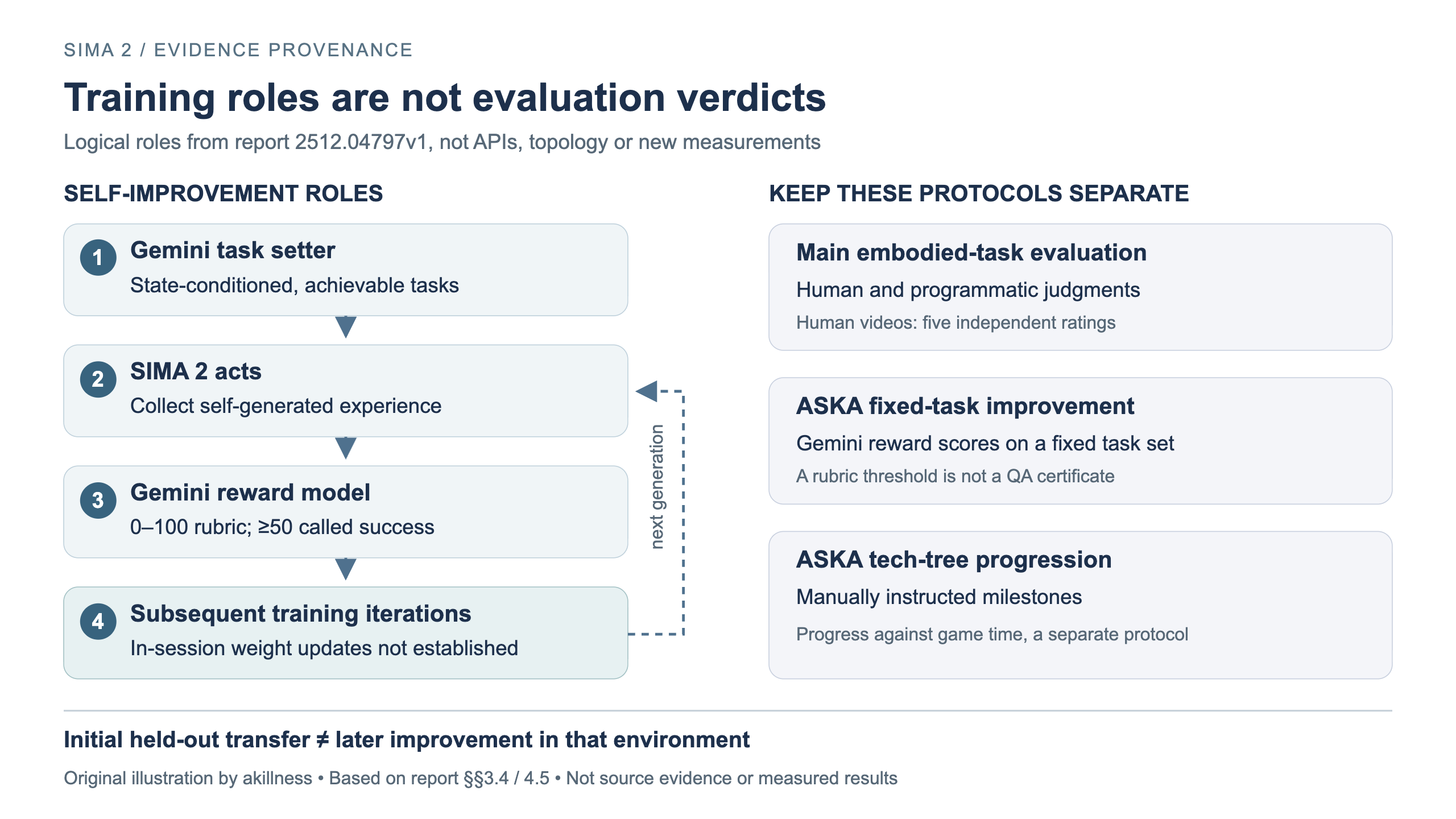
The SIMA 2 report separates held-out transfer, Gemini reward scores and manually guided progression. Those results answer different questions, not a game-QA verdict.
Moving beyond static GraphRAG: how Java enterprise services and Neo4j Cypher schema tools turn autonomous agents into graph-traversal engines.
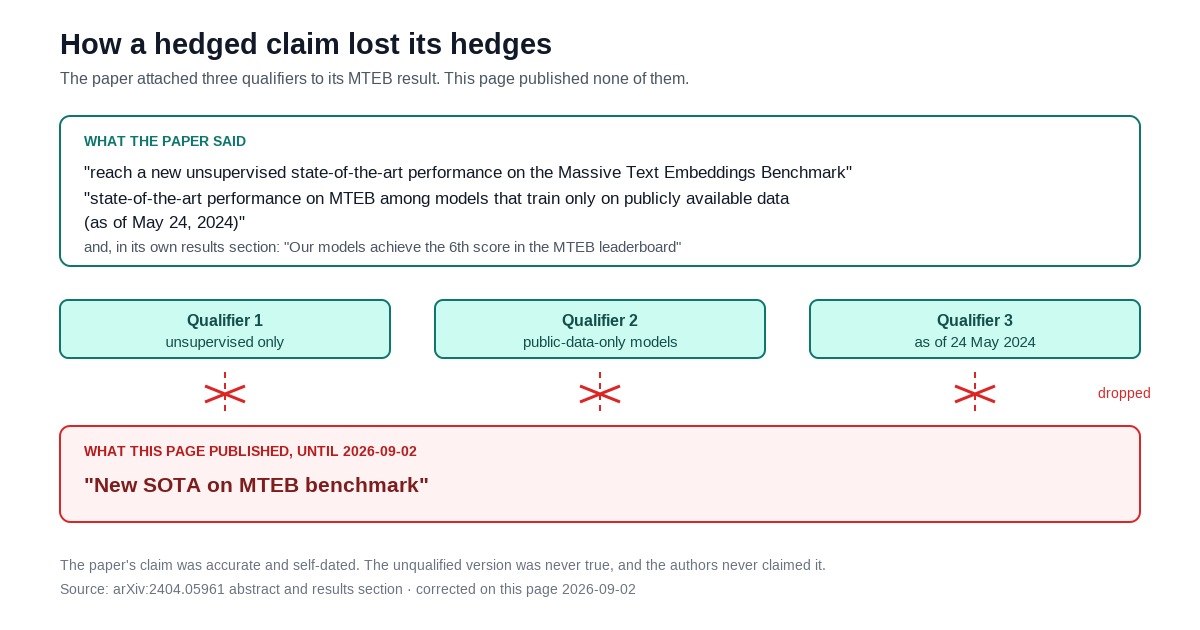
The paper claimed unsupervised MTEB SOTA as of May 2024 and put itself 6th overall. This page dropped every qualifier. What the download numbers say now.
An architectural audit of User Datagram Protocol, detailing 8-byte minimal headers, QUIC HTTP/3 multiplexing, market data multicast, and RoCEv2 AI clusters.
Search article titles, categories, and tags. Full text is searched when needed.
Type to search articles.